John GradeOn view
Union
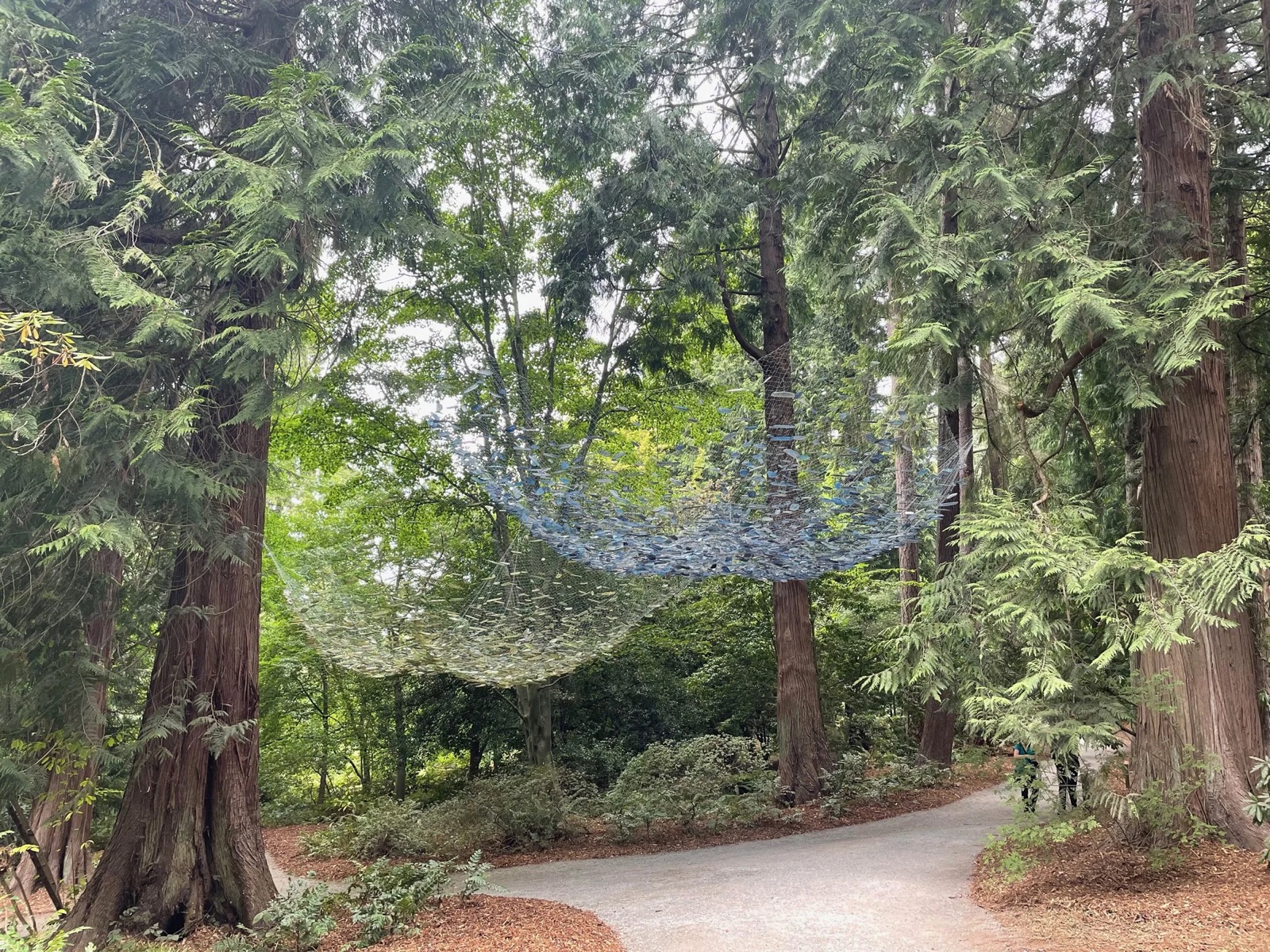
John Grade’s resin-and-wood sculpture, suspended between trees, shifts as rainwater gathers.
Washington Park Arboretum
Artworks, exhibitions and spaces across Seattle and the Pacific Northwest.
John Grade’s resin-and-wood sculpture, suspended between trees, shifts as rainwater gathers.
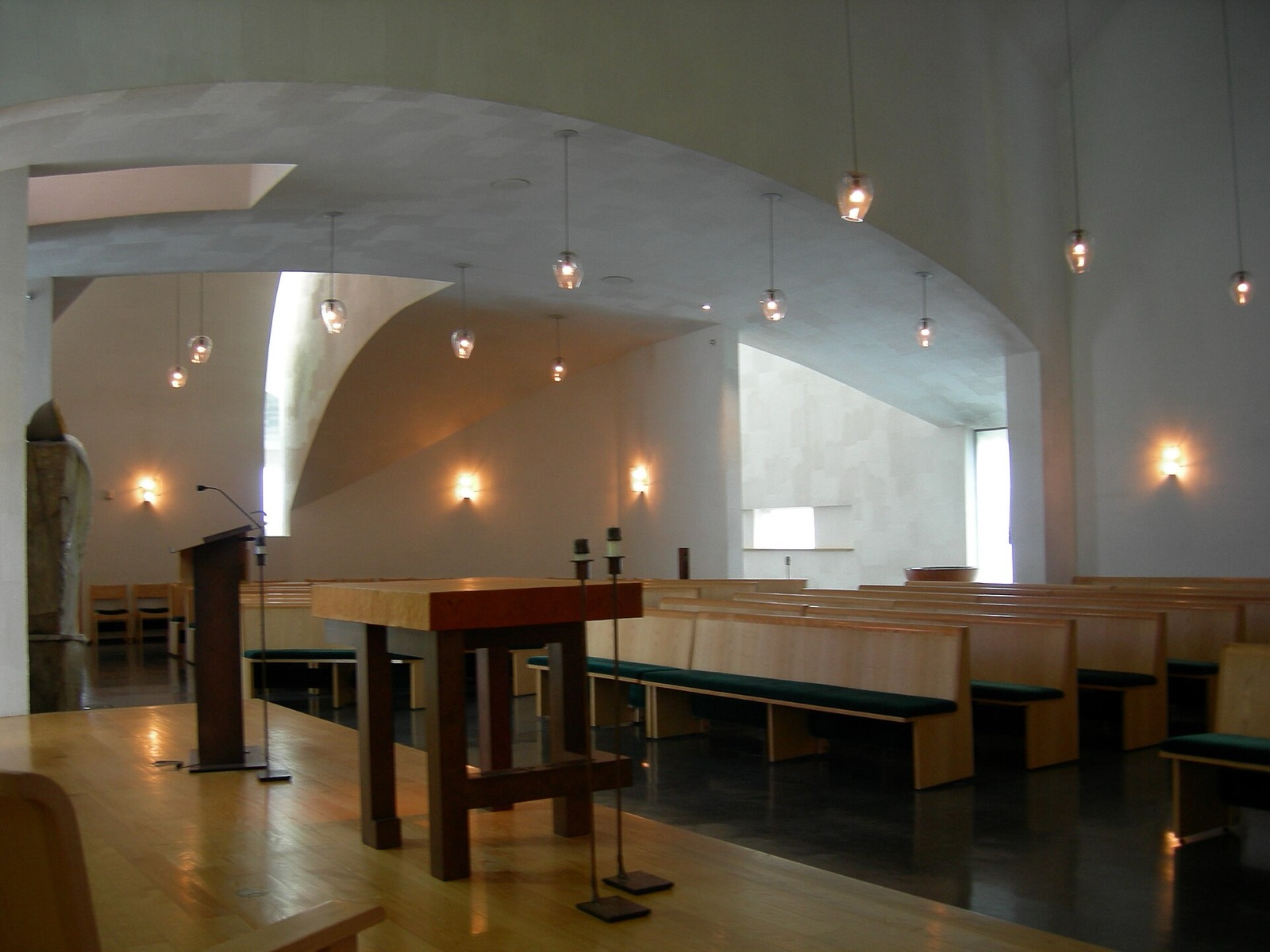
Steven Holl’s working chapel, lit through colored lenses and reflected color.
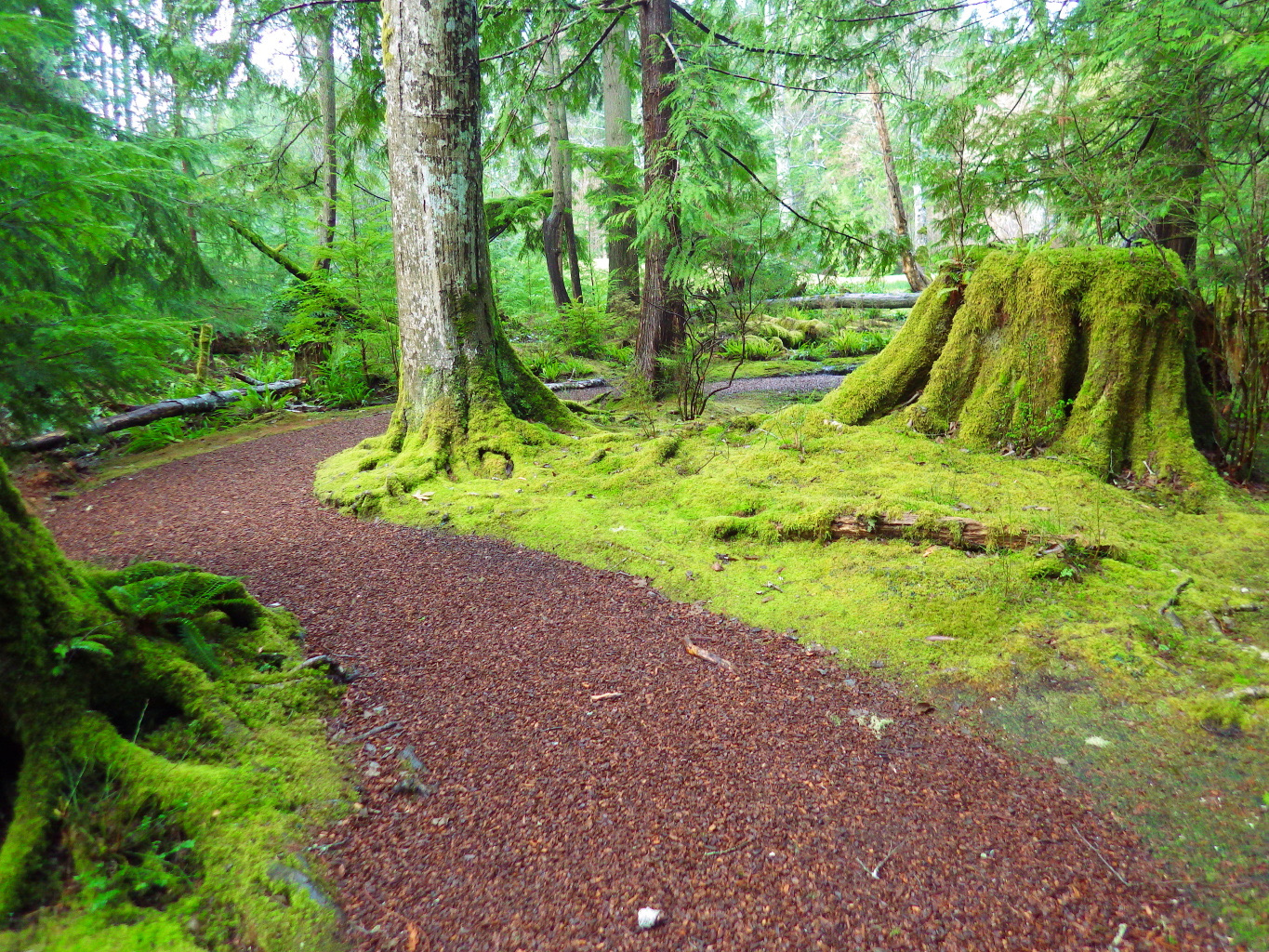
The Moss Garden and Thomas Church’s hedged Reflection Pool in Bloedel’s designed landscape.
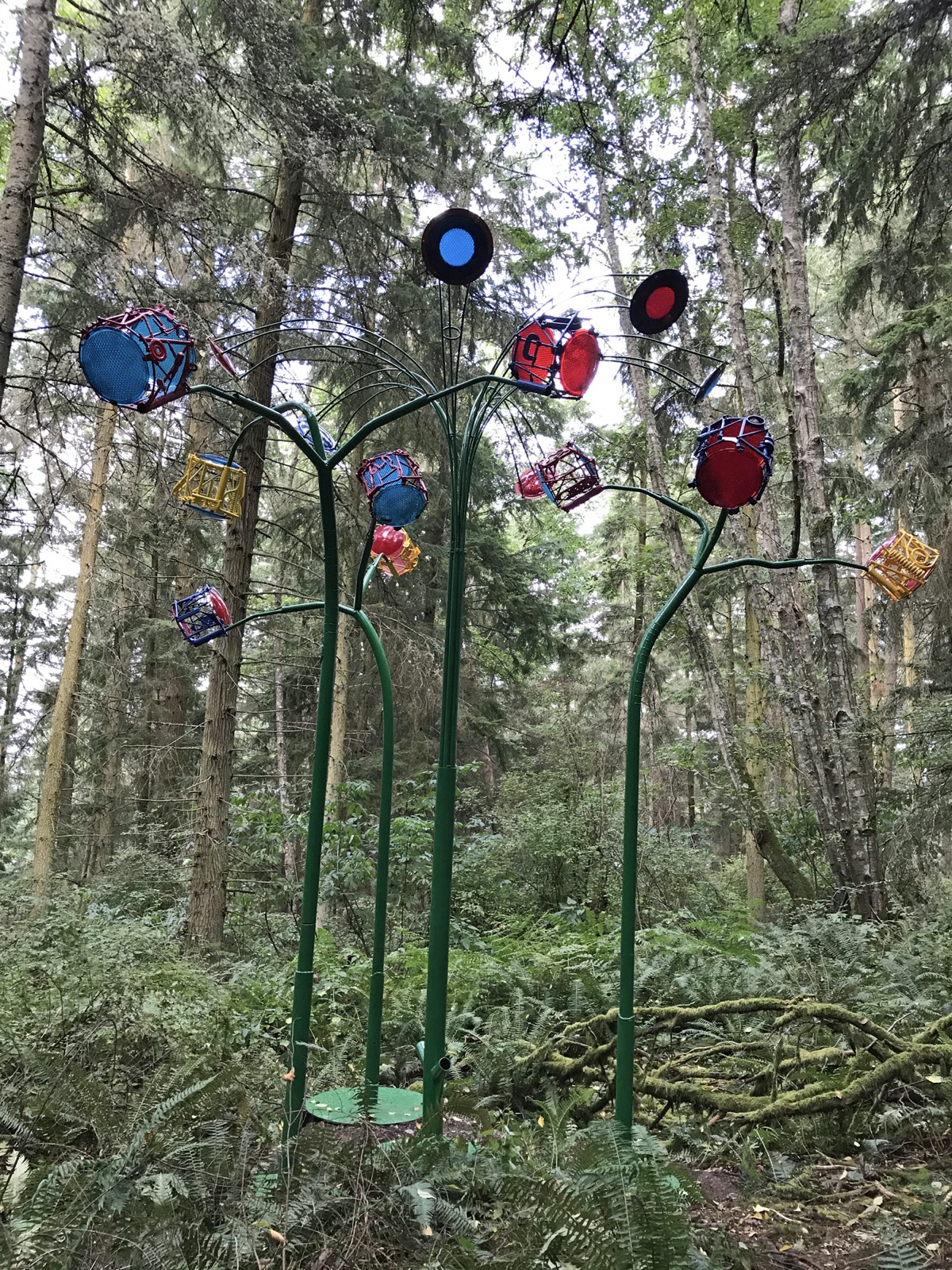
Jeff Tangen’s Burning Man sculpture, relocated to Price Sculpture Forest in Coupeville.
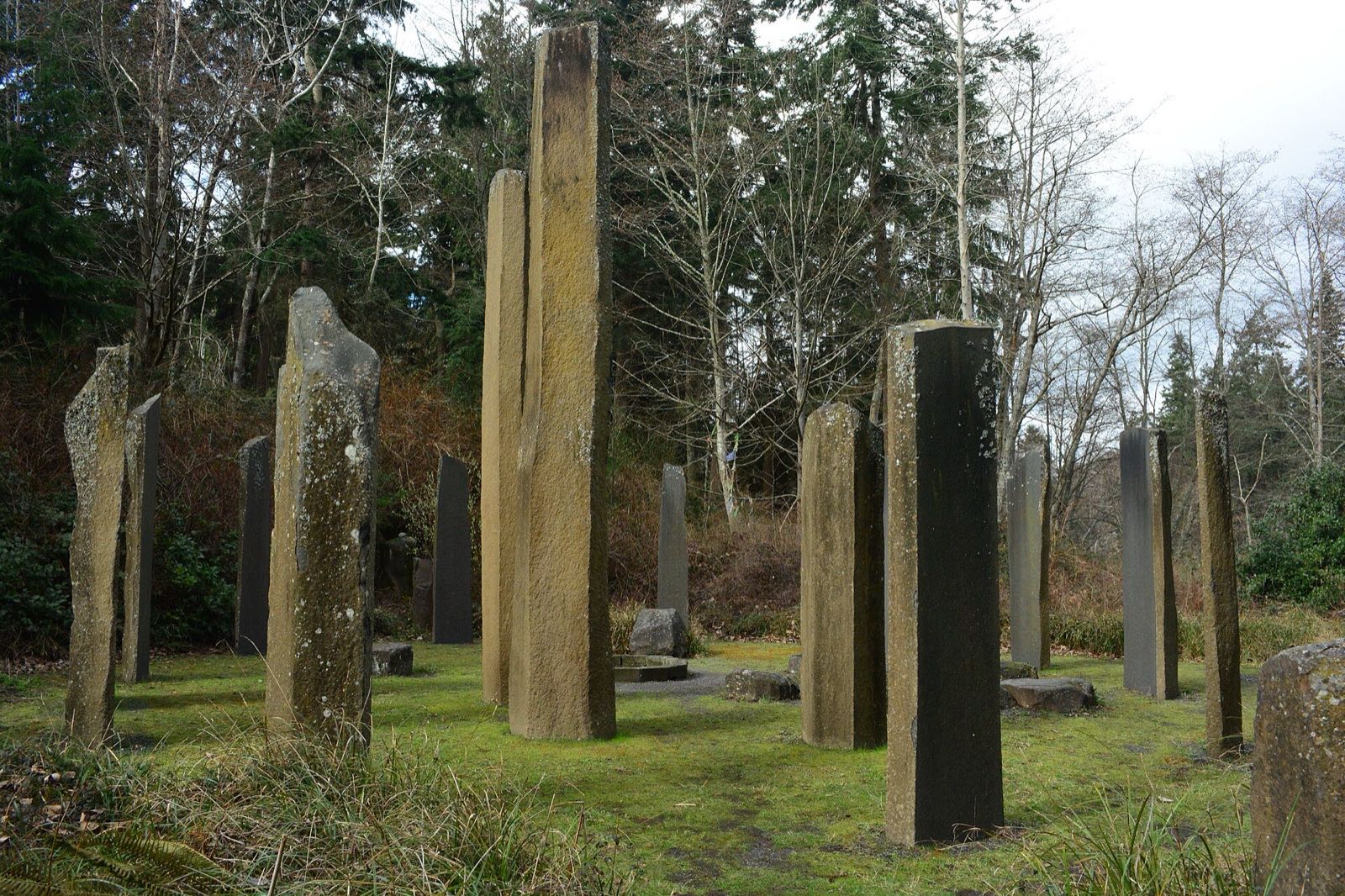
Standing stones around basalt columns and seating stones at Earth Sanctuary, Whidbey Island.
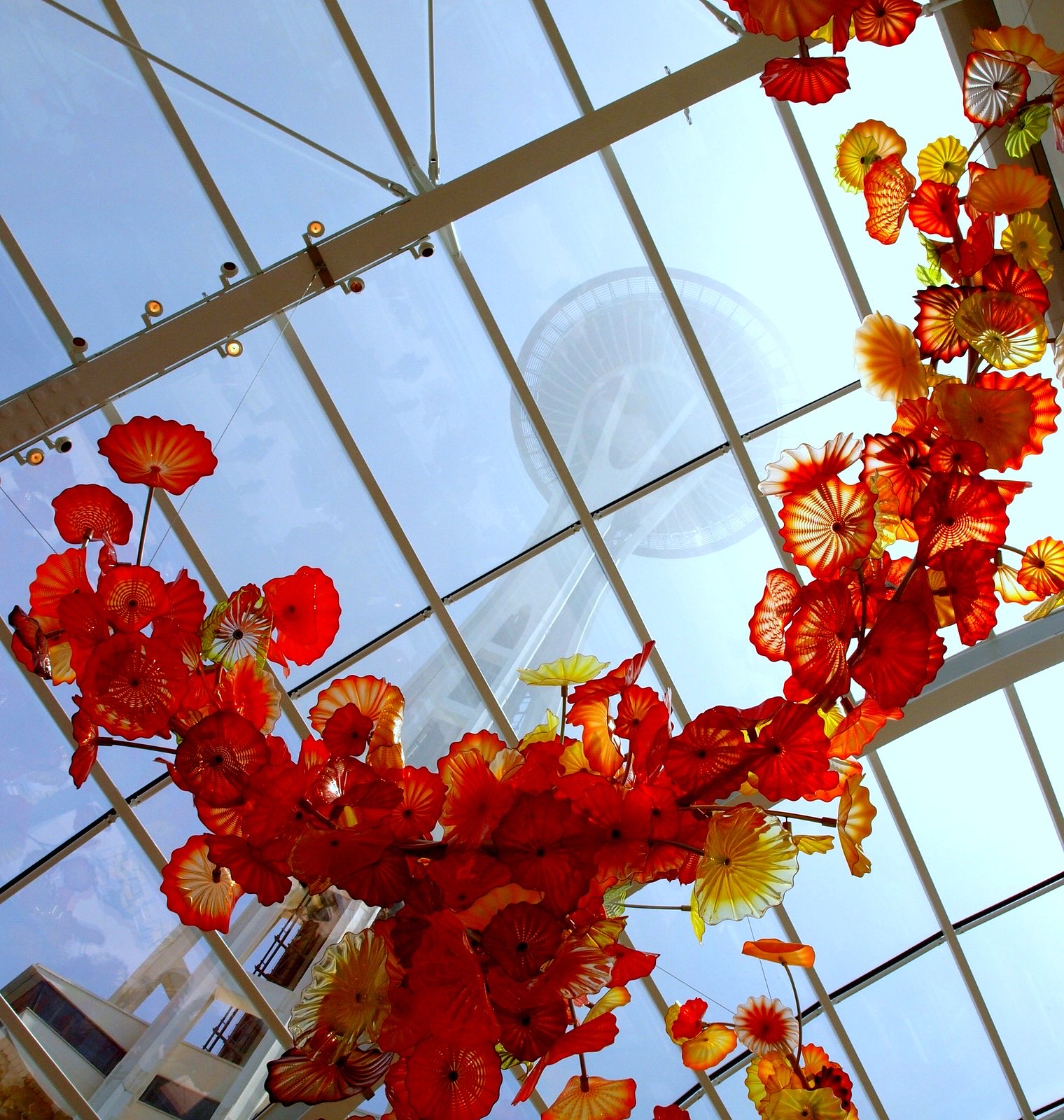
A 100-foot suspended glass sculpture in the daylit Glasshouse at Chihuly Garden and Glass.
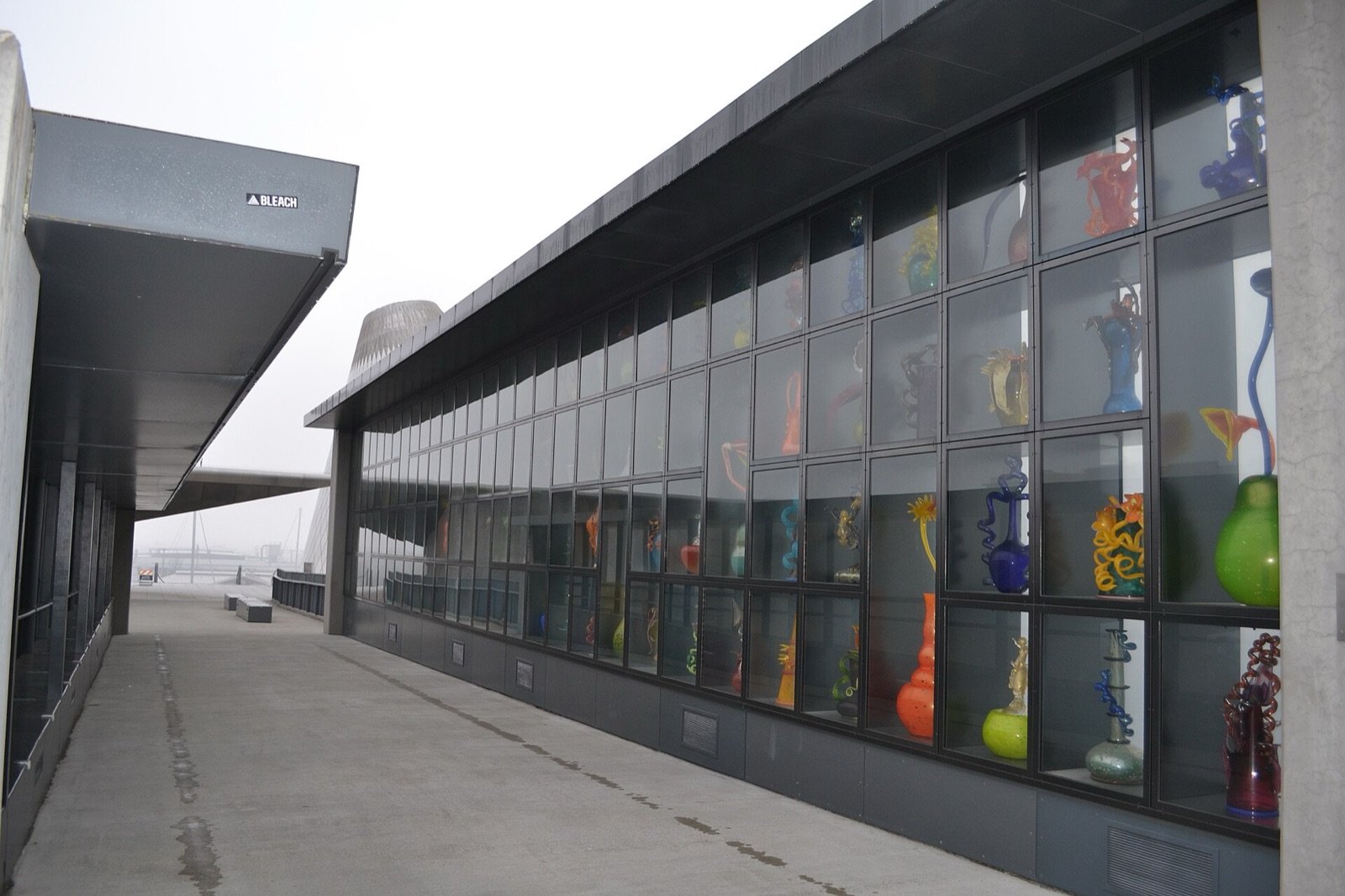
Three glass installations on a pedestrian bridge between downtown Tacoma and the waterfront.
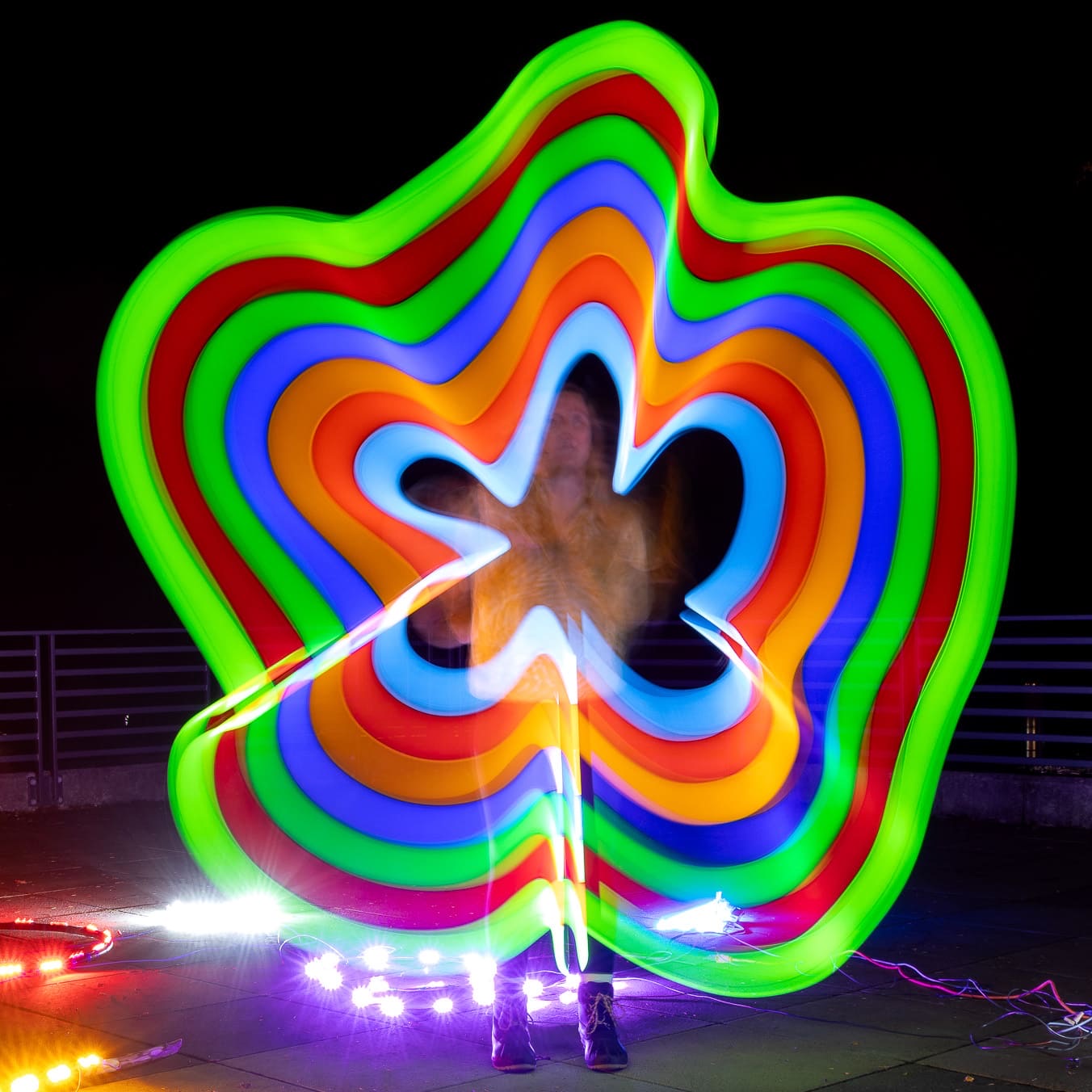
Light and neon installations on Pilchuck’s campus, November 14–15; general tickets are sold out.
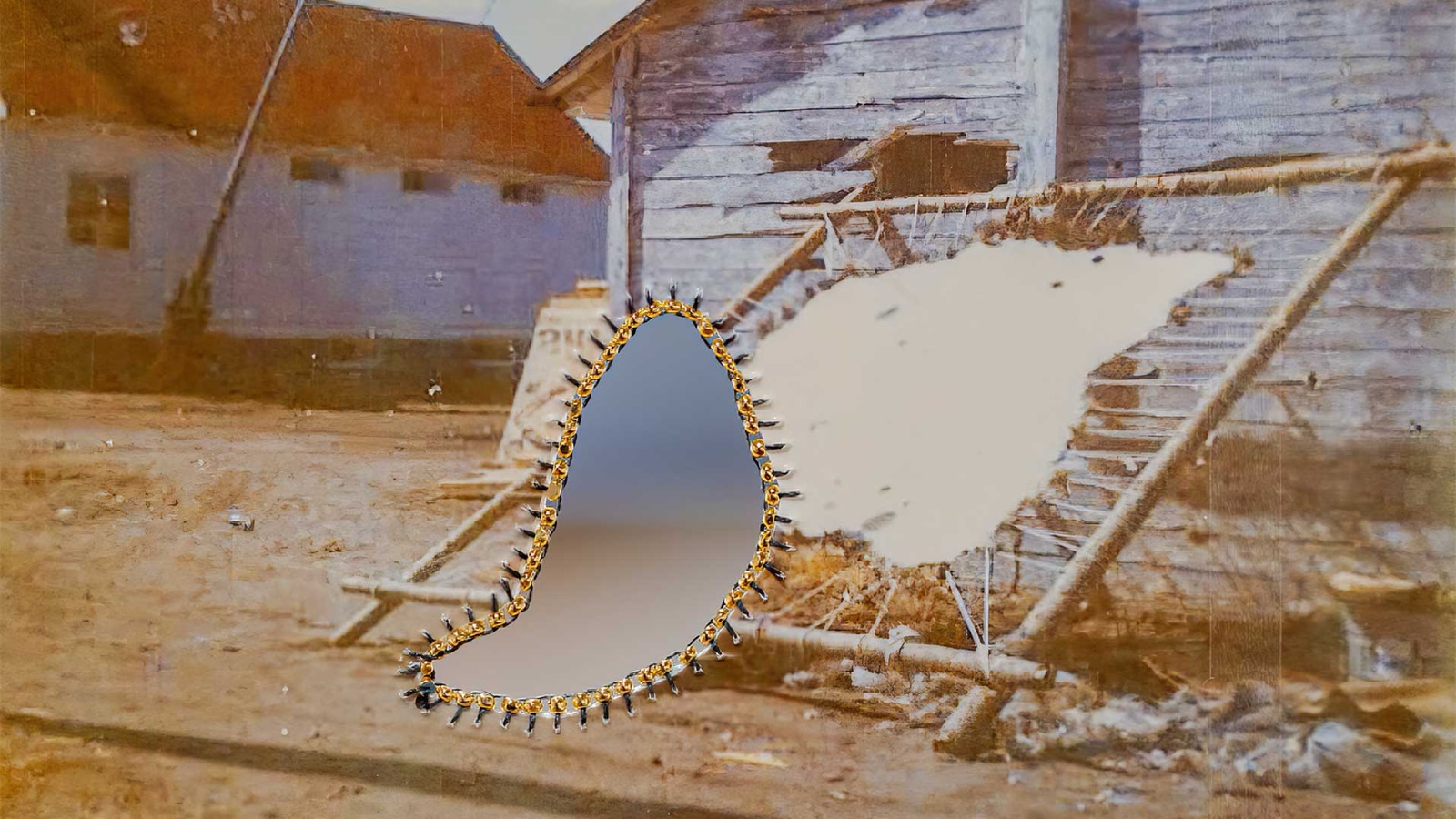
Catherine Blackburn and Jeneen Frei Njootli on beadwork and the body, at the Polygon Gallery.
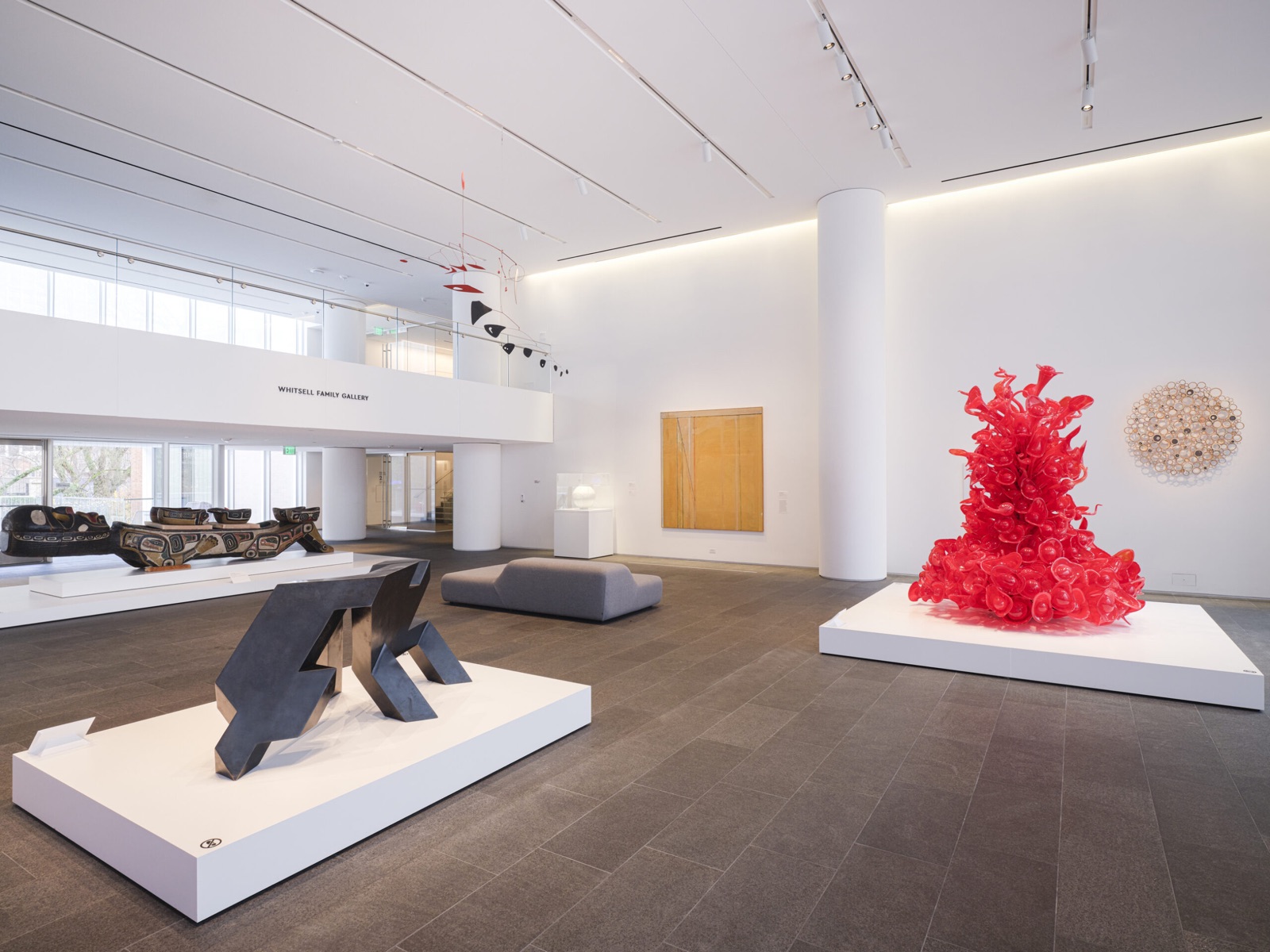
Glass, clay, metal, wood and neon works on the natural world open the Rothko Pavilion.
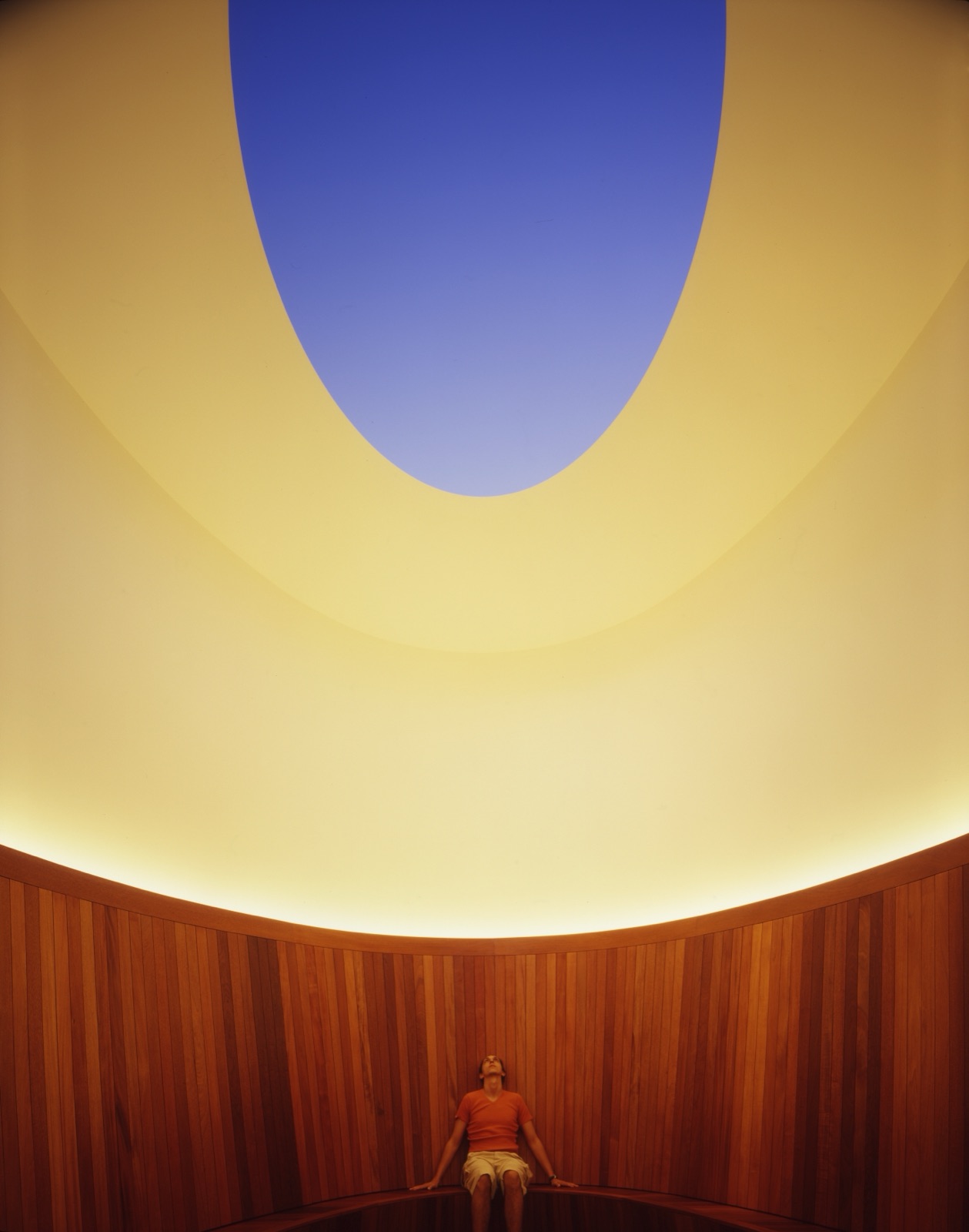
James Turrell’s Skyspace at the Henry, closed for restoration; scheduled to reopen November 14, 2026.
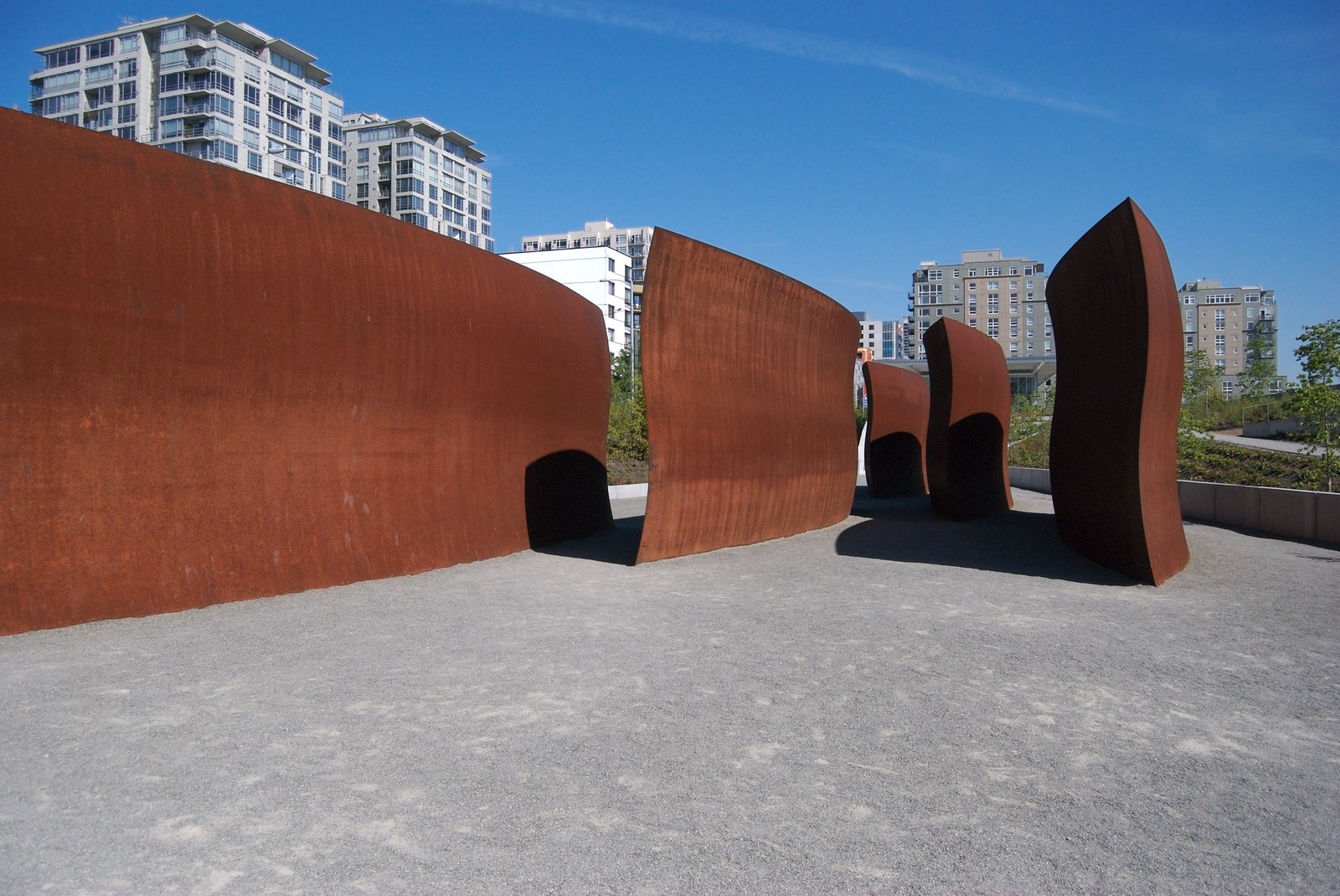
Richard Serra’s ten curved steel plates, over fourteen feet high, paired into five units.
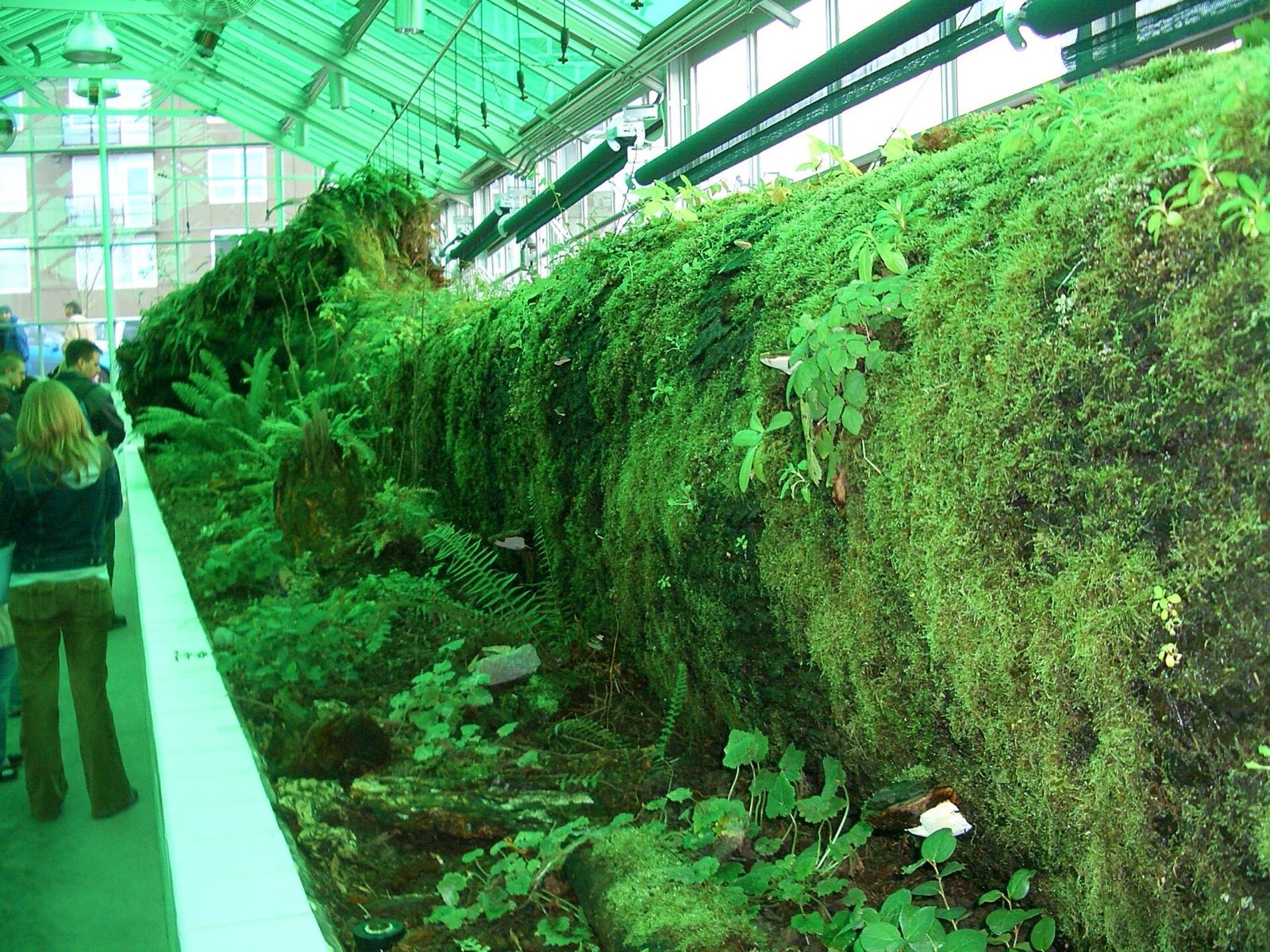
Mark Dion’s greenhouse for a decaying nurse log; the interior is closed until next season.
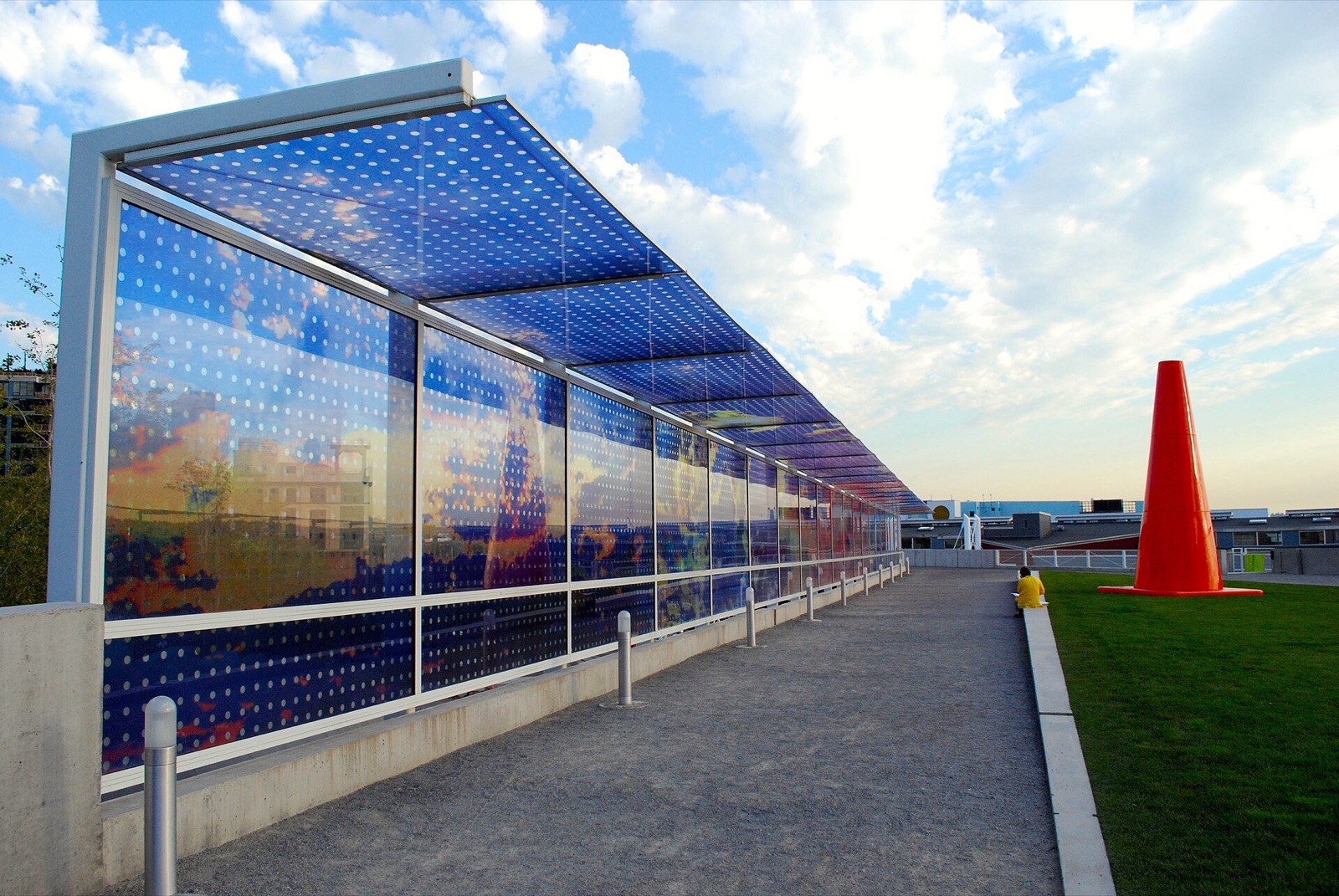
Teresita Fernández’s photographic glass along a rail bridge, overlaying printed sky on the real one.
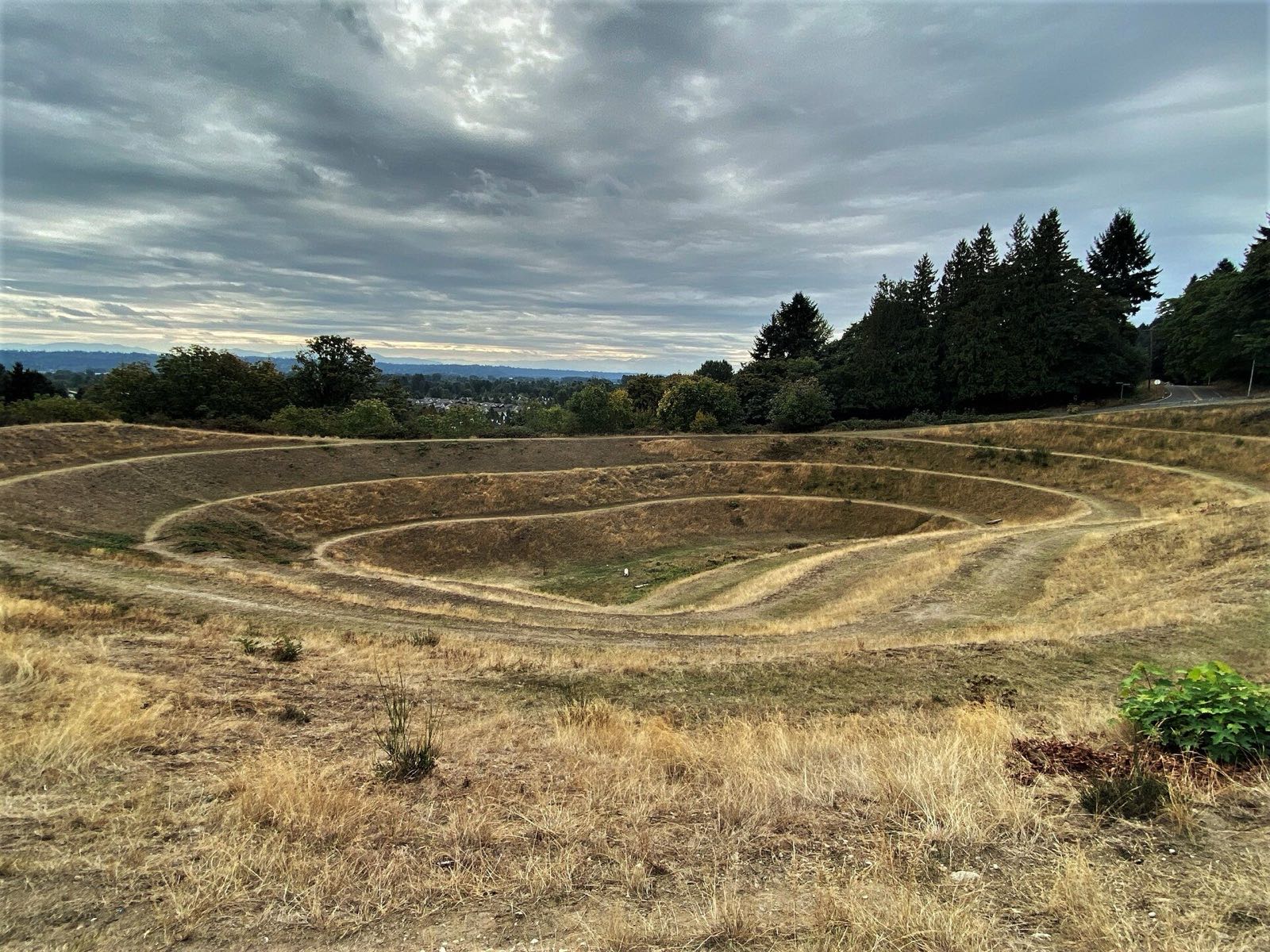
Robert Morris’s concentric terraces cut into an abandoned SeaTac gravel pit.
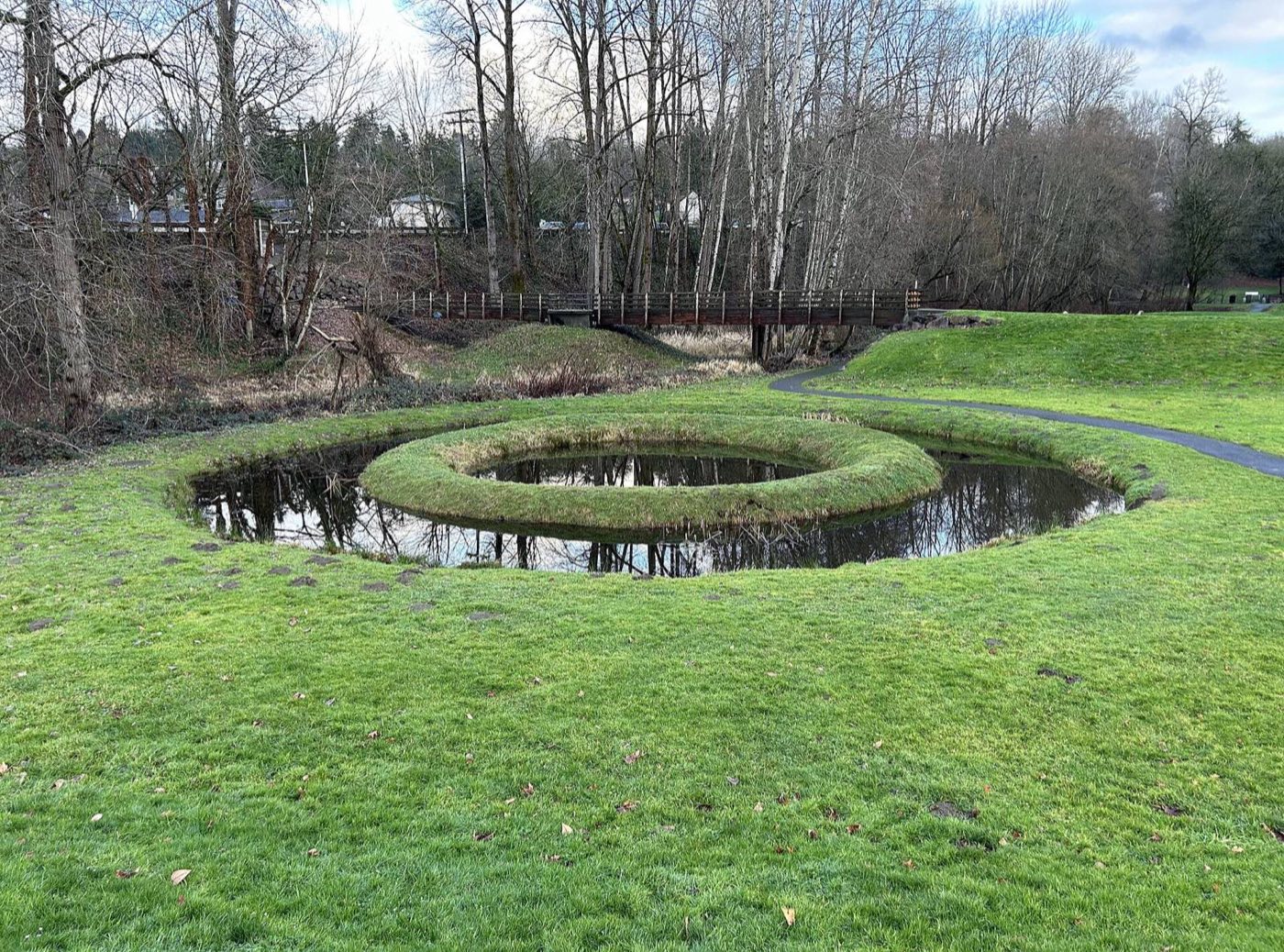
Herbert Bayer’s sculpted circles, cones and berms in Kent also detain stormwater.
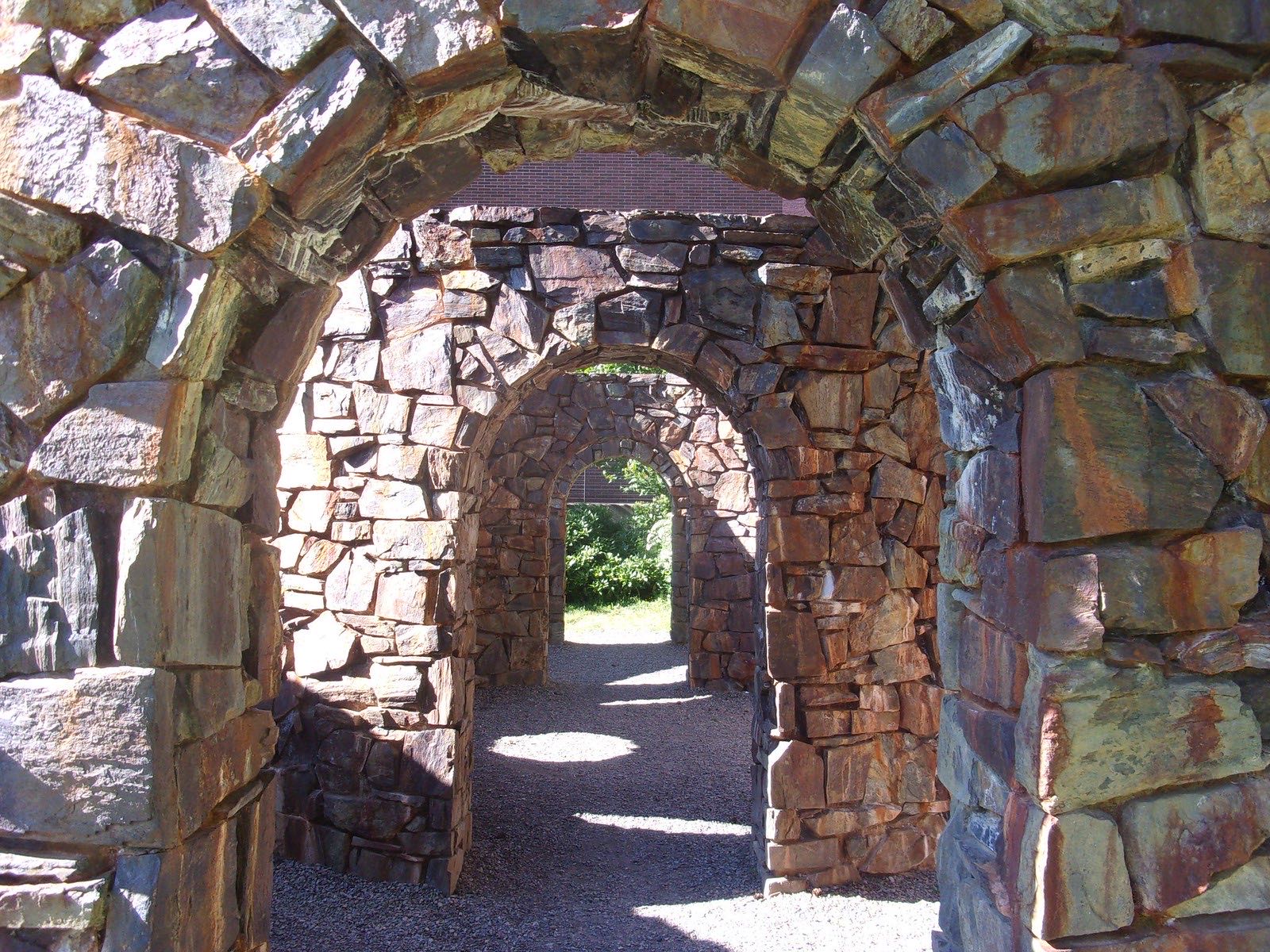
Nancy Holt’s concentric stone rings, ten feet high, with openings aligned to the compass.
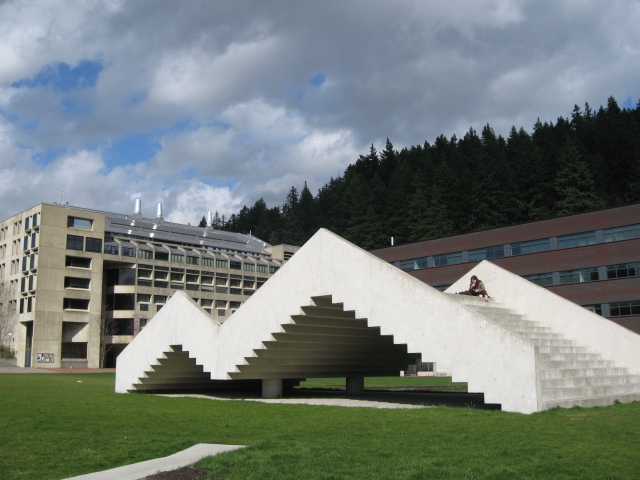
Bruce Nauman’s white-tinted concrete stair form, with an open void beneath.
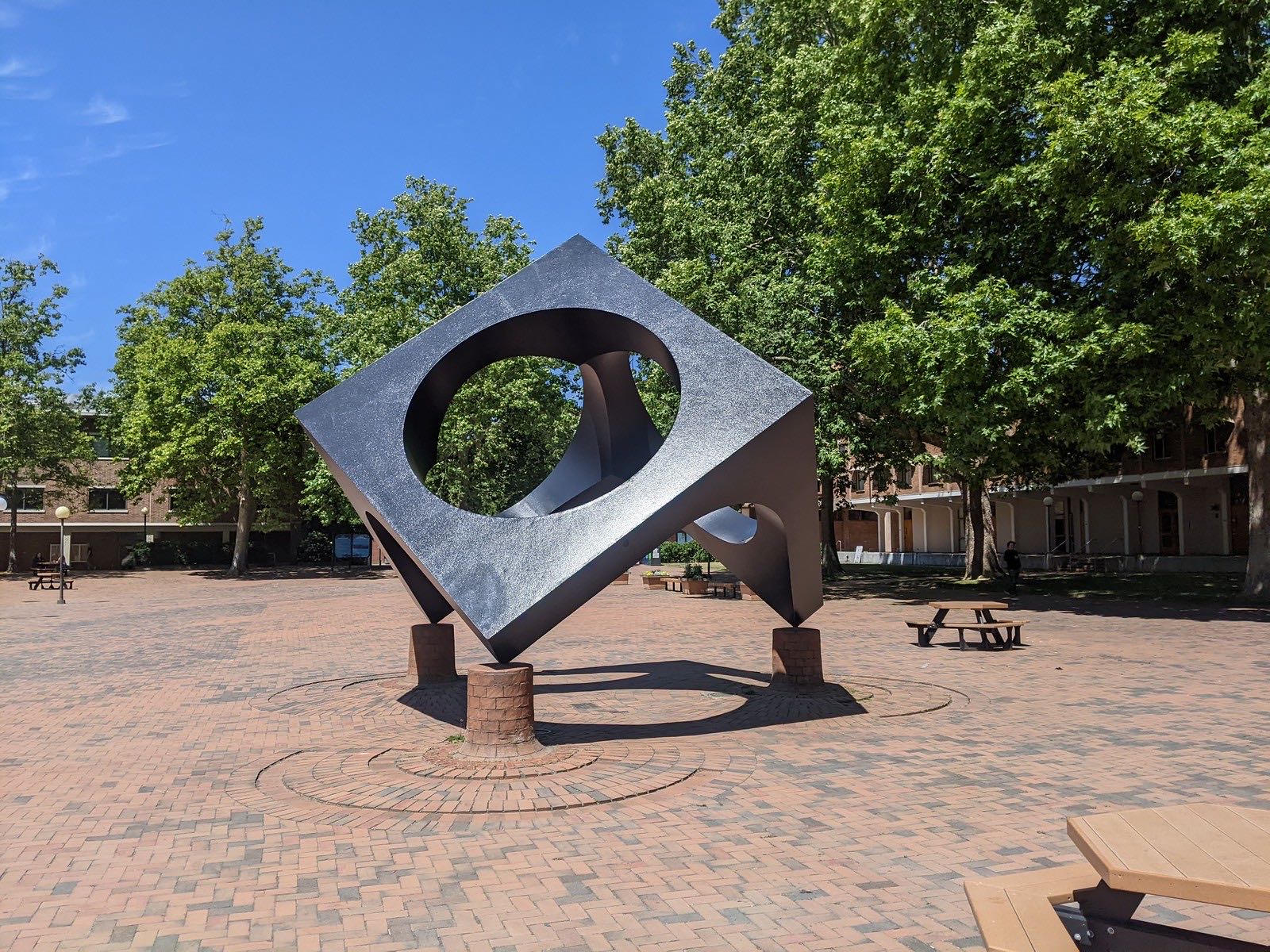
Isamu Noguchi’s tilted, open-sided cube on brick piers in Western Washington University’s Red Square.
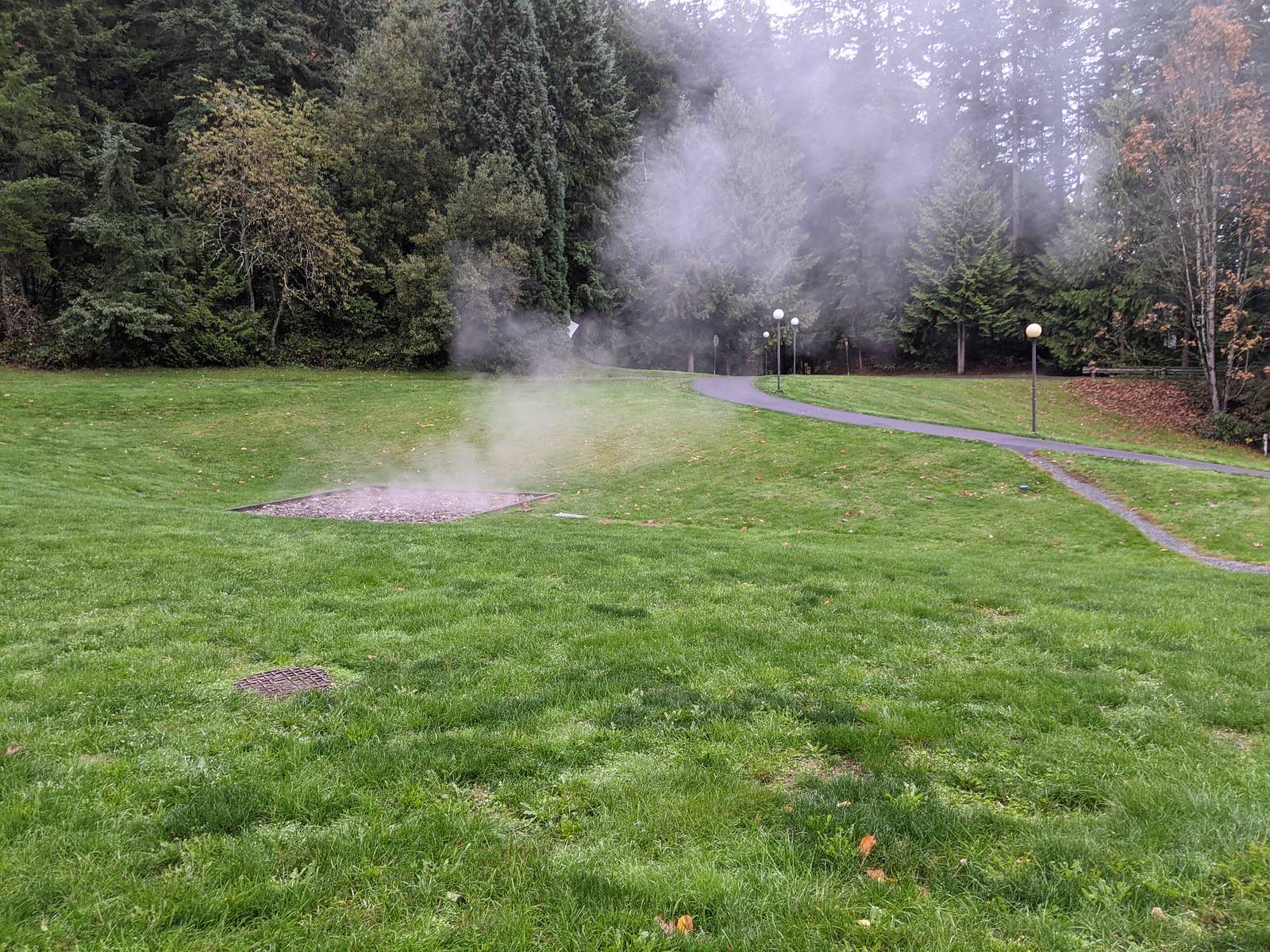
Robert Morris’s steam rises in scheduled daily windows from a square of rock.
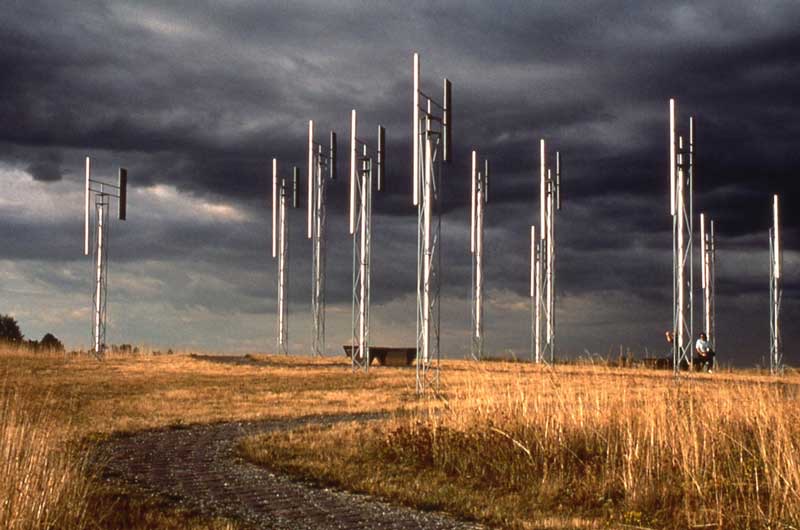
Douglas Hollis’s wind-sounded towers at NOAA Sand Point, closed to the public until further notice.
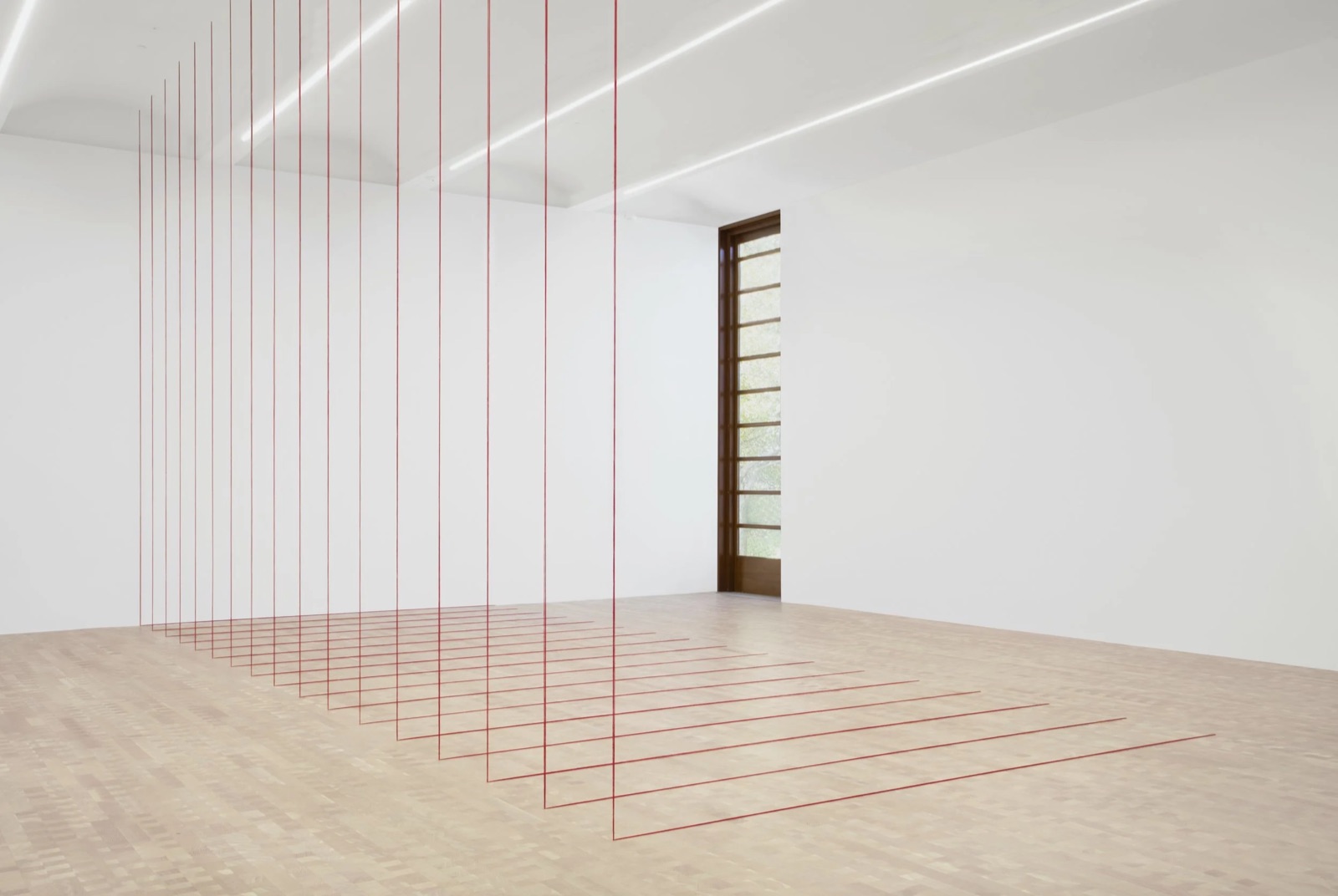
Fred Sandback’s black yarn redraws two SAM galleries in eight successive configurations.
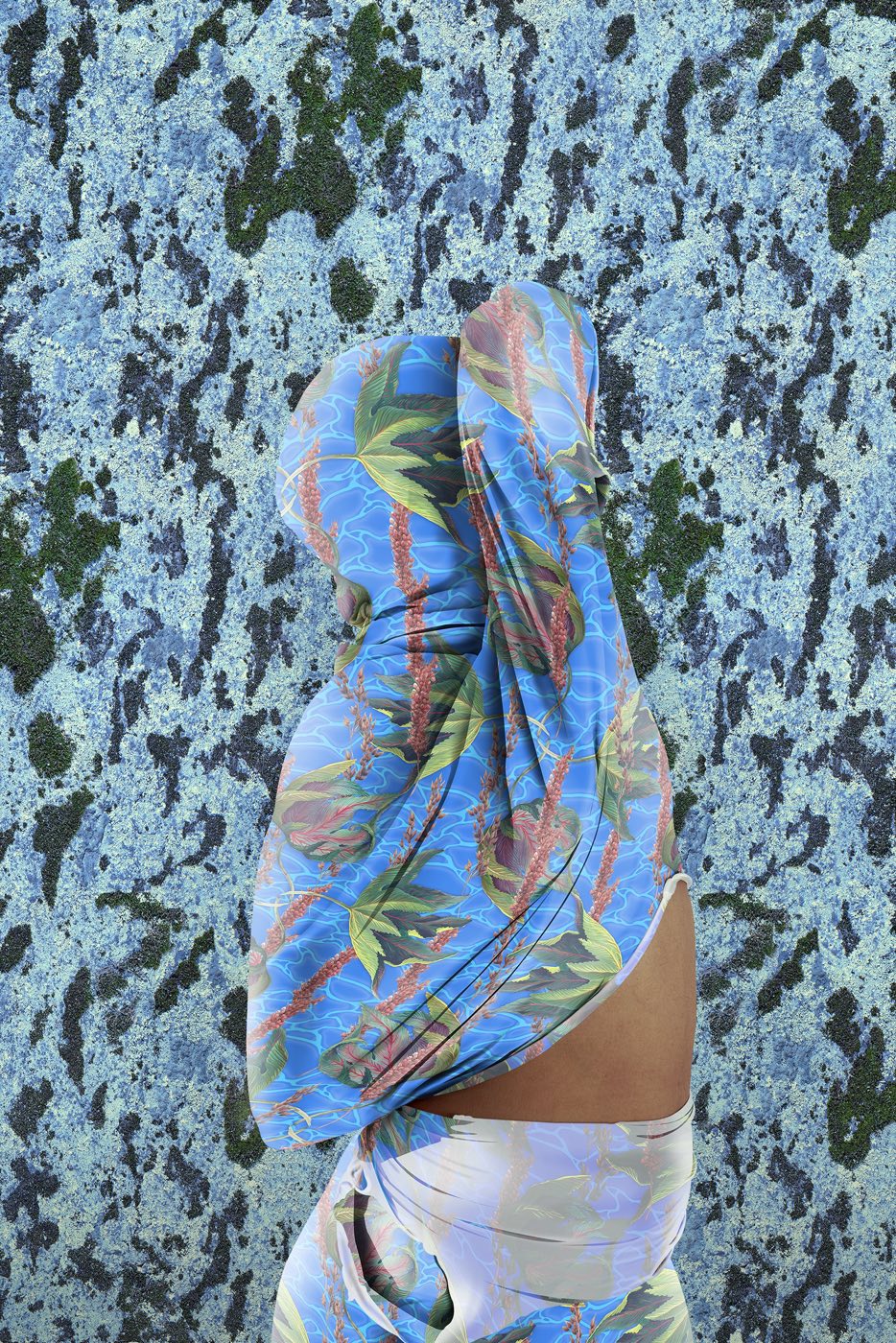
Joiri Minaya’s floral-fabric installation on tropical imagery and colonial monuments, at the Henry.
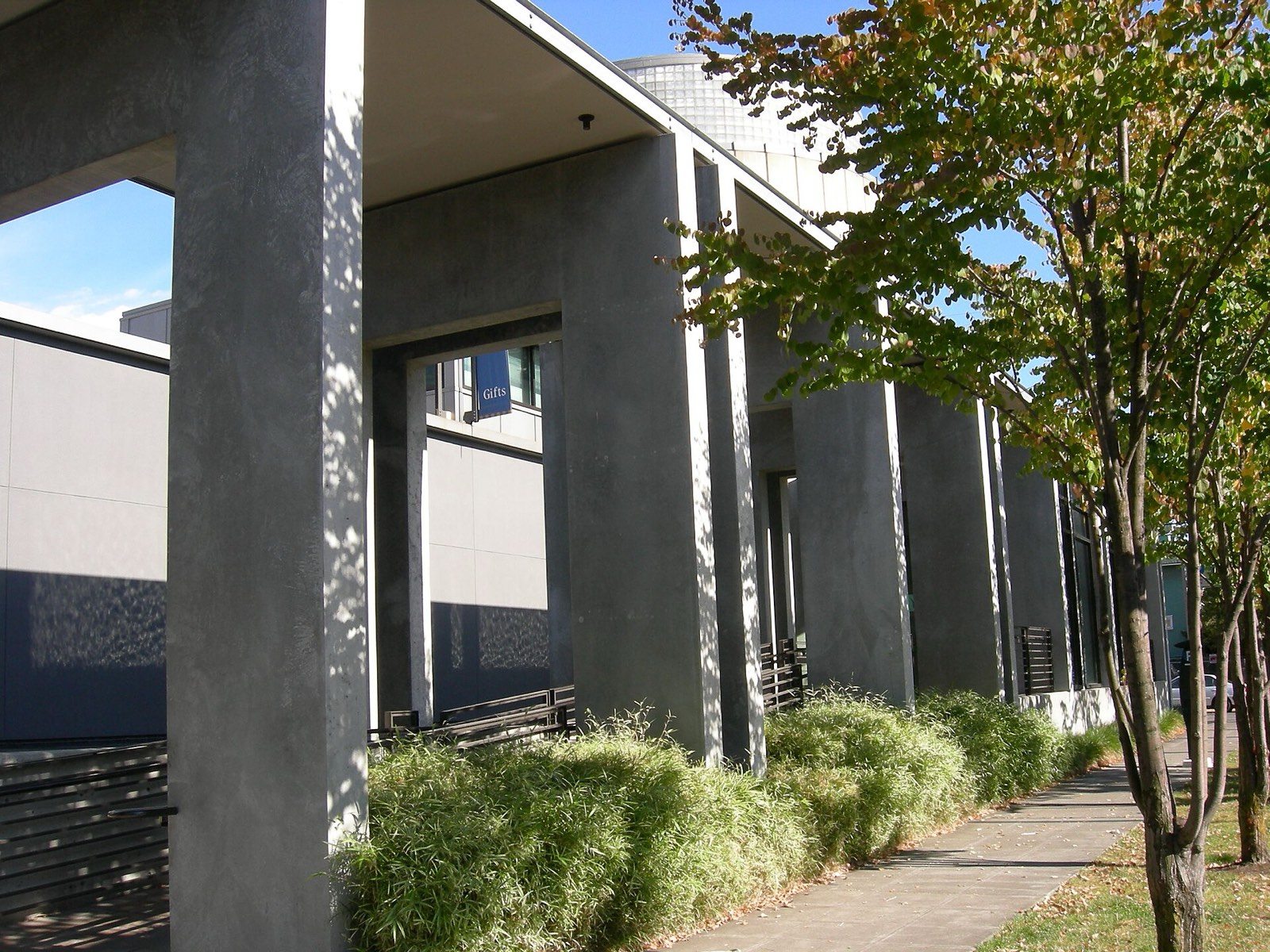
Fifteen artists working in abstraction, curated by Jeffrey Gibson and Jenelle Porter.
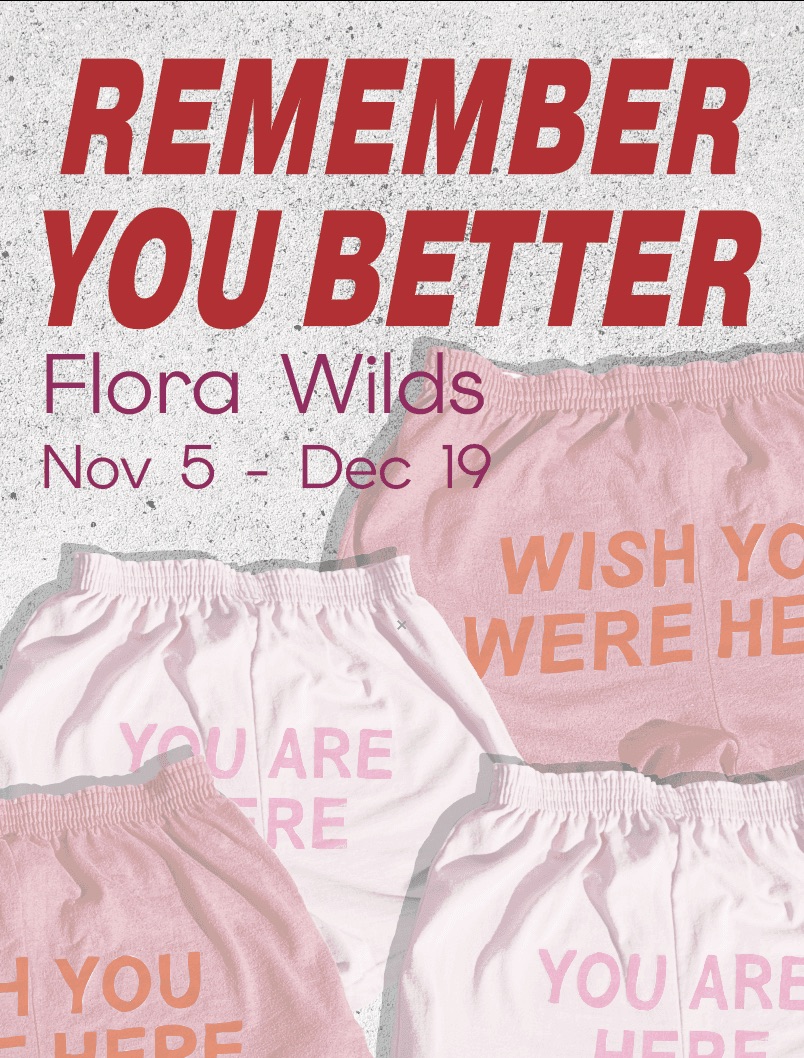
Flora Wilds’s textiles and garments on memory and emotional value, at METHOD.
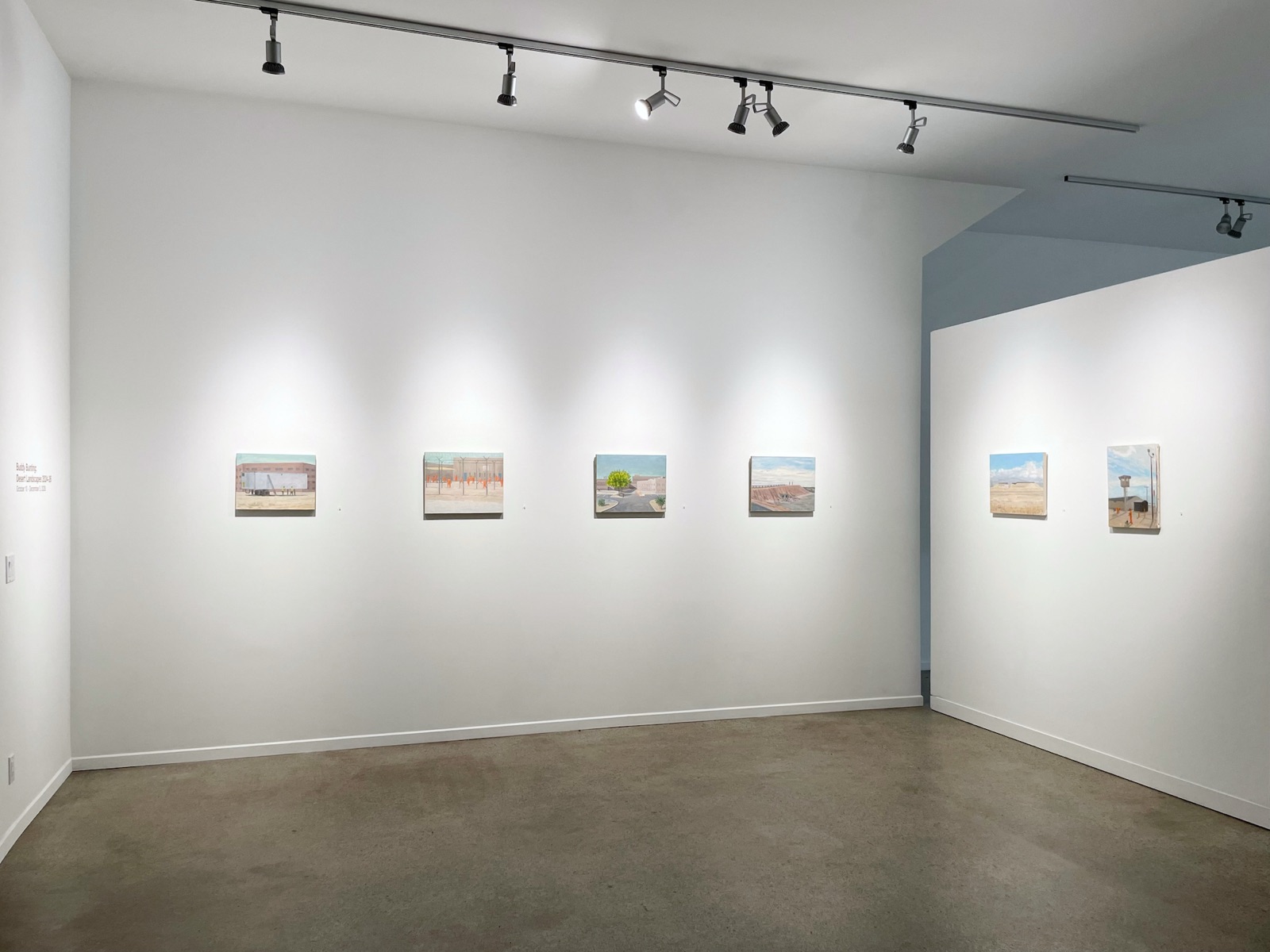
Buddy Bunting’s paintings of desert detention sites and industrial edges, in Georgetown.
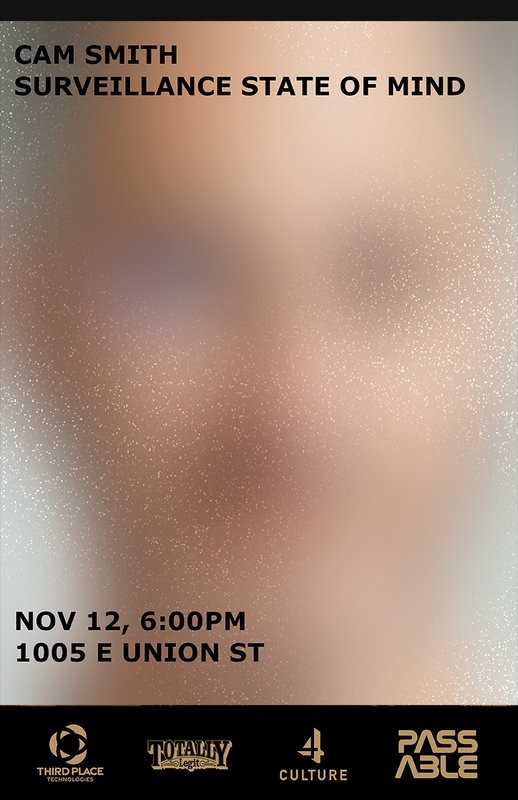
Cam Smith’s interactive work on AI and surveillance opens at Passable November 12, 2026, 6–9 pm.
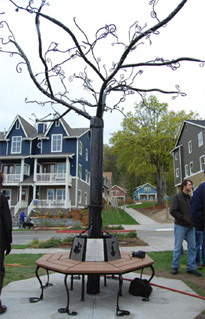
An Iron Monkeys Burning Man tree, now a Rainier Vista story bench; check its current state.
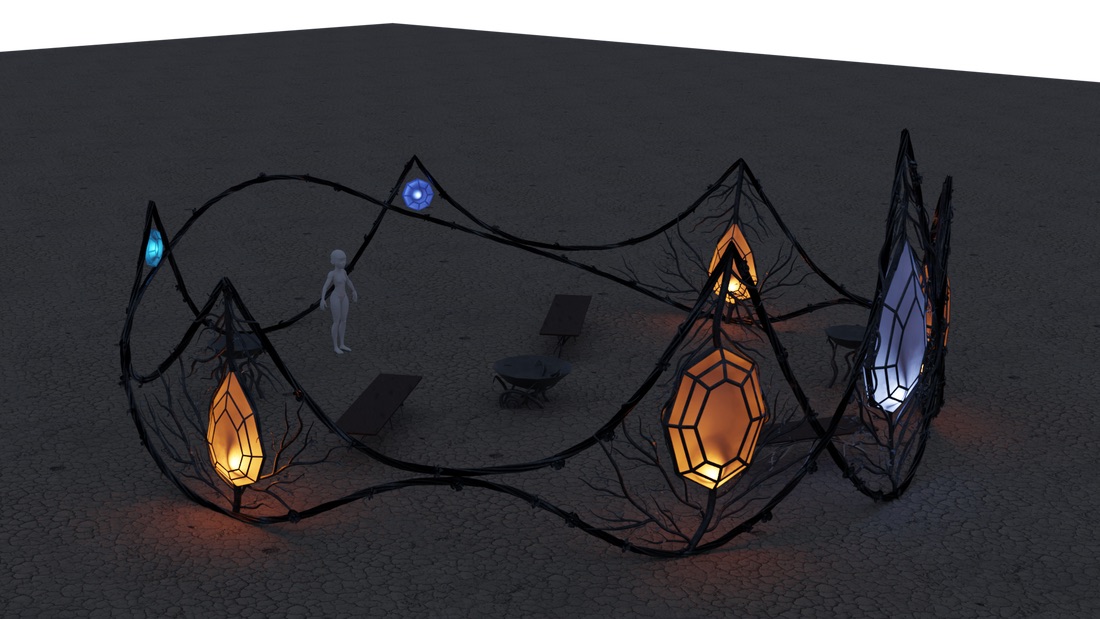
The Iron Monkeys’ walk-in crown of steel, light and fire; no Seattle showing announced.
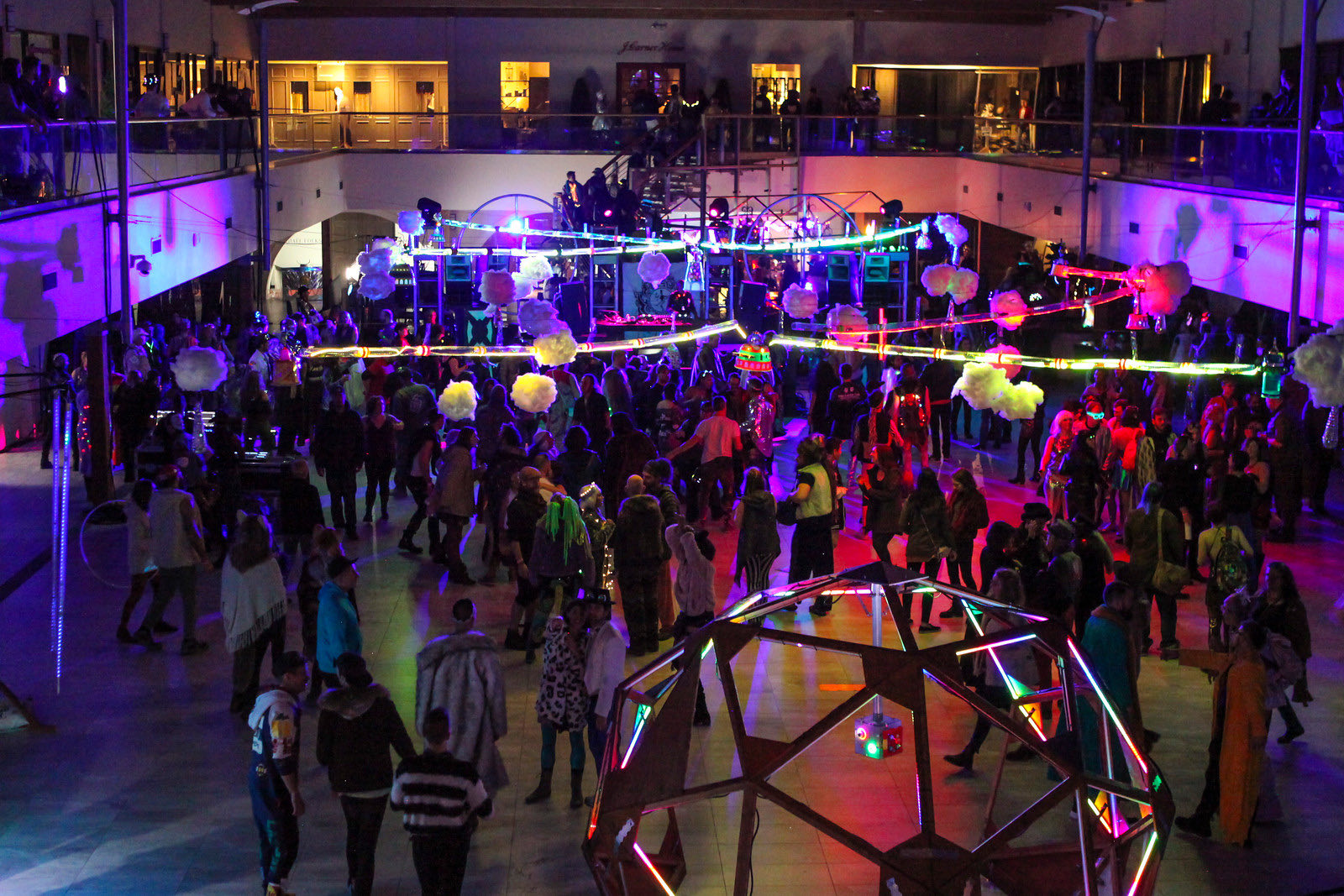
Seattle’s Burner decompression party and art event; the next edition is unannounced.
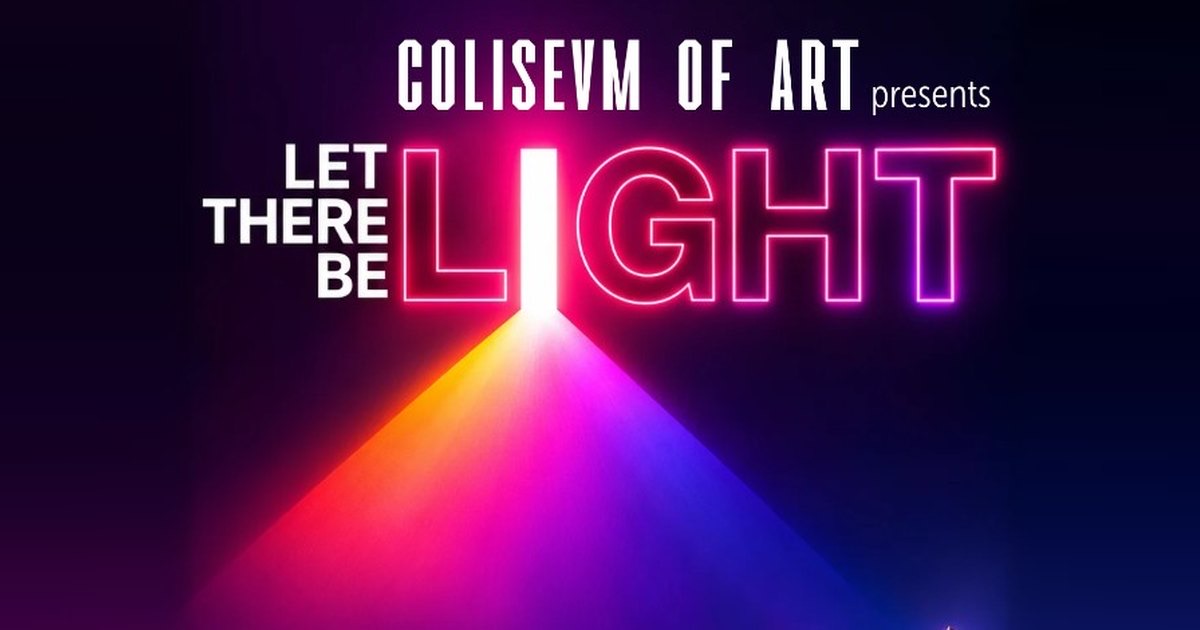
Light sculpture, projection and interactive environments in the historic Coliseum building.
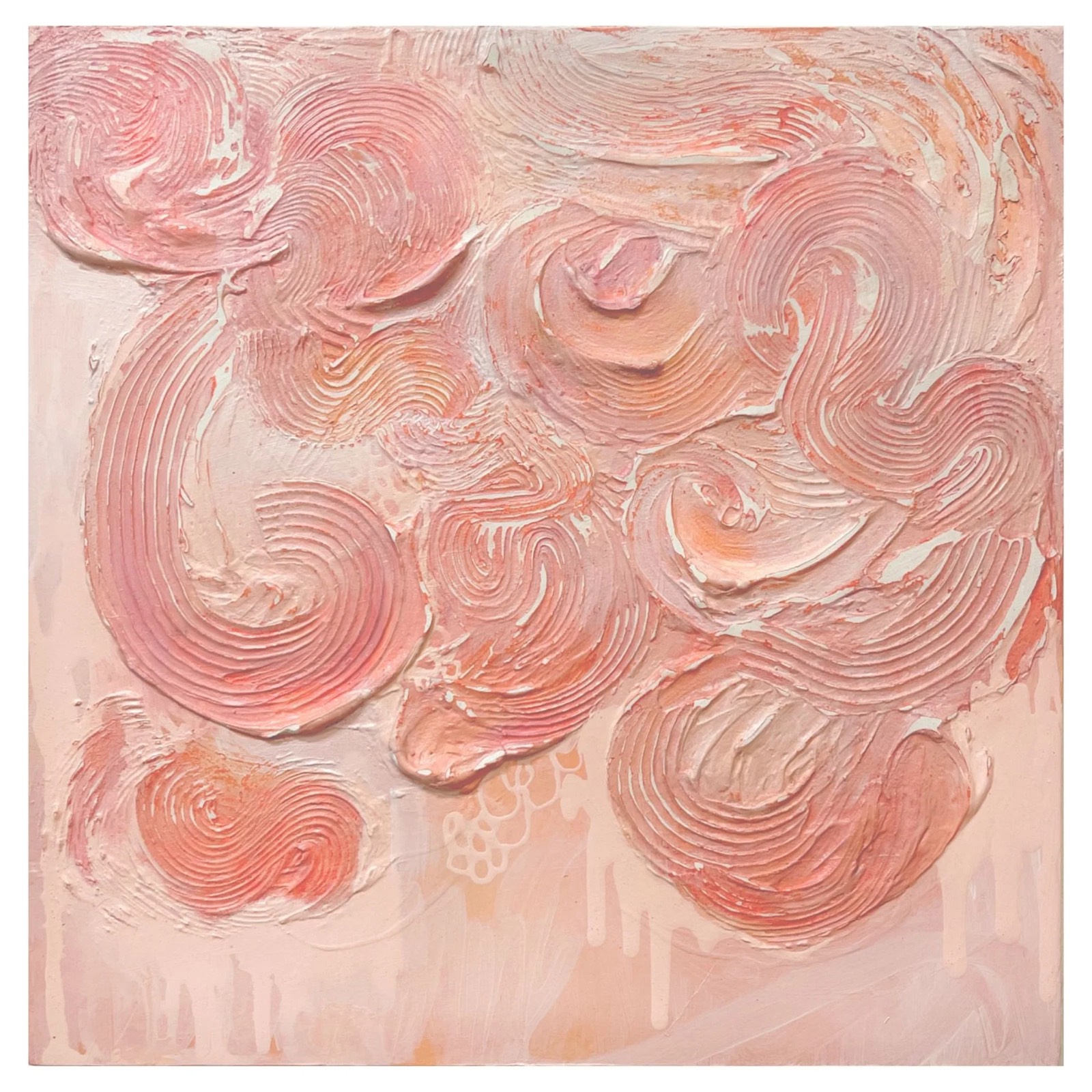
Installation and live performance at Base Camp Studios 2.
Artists build a fictive shop inside a former downtown convenience-store site.
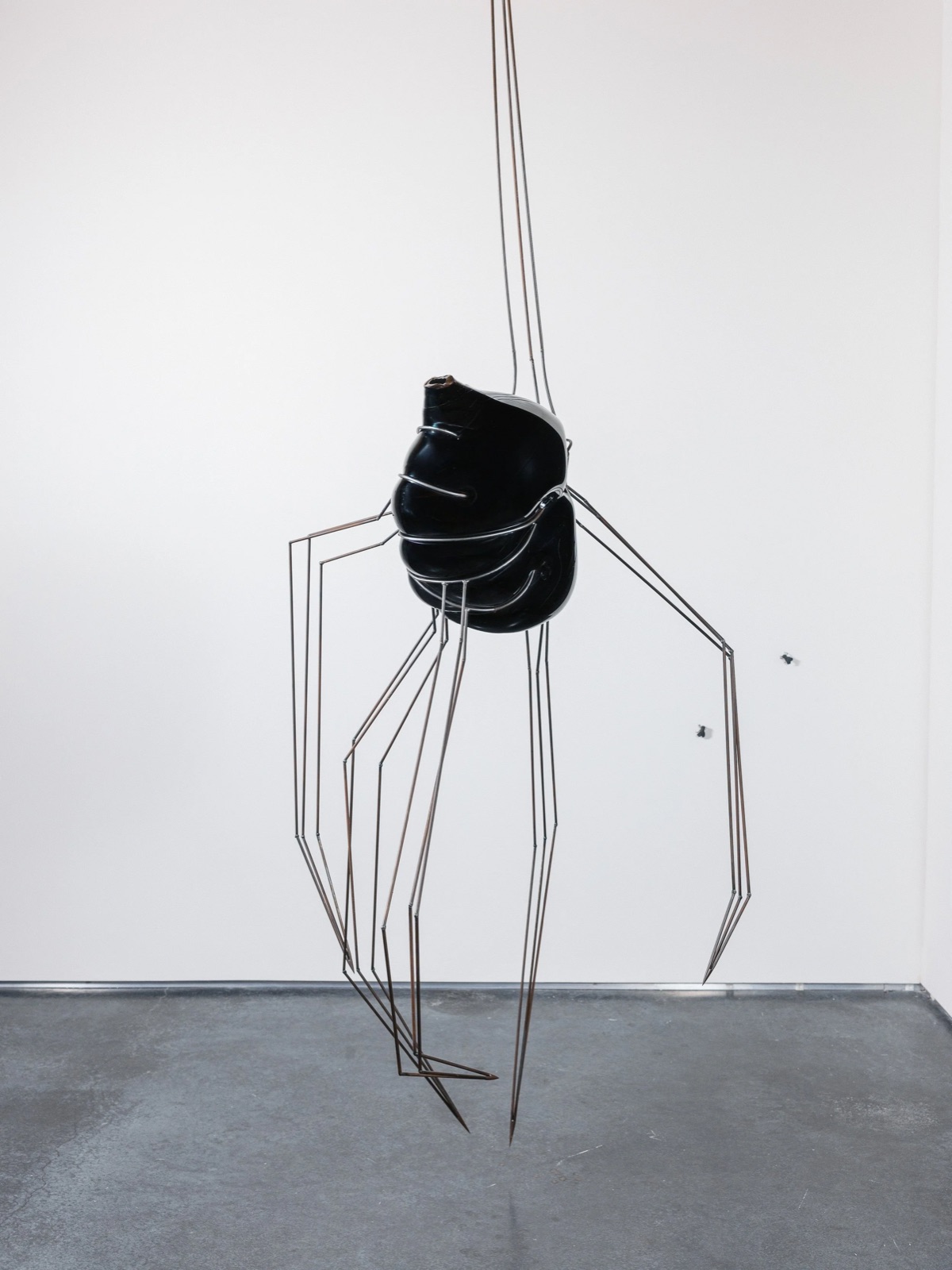
Zoe Potter’s glass, bronze, latex and steel works on ripeness and decay.
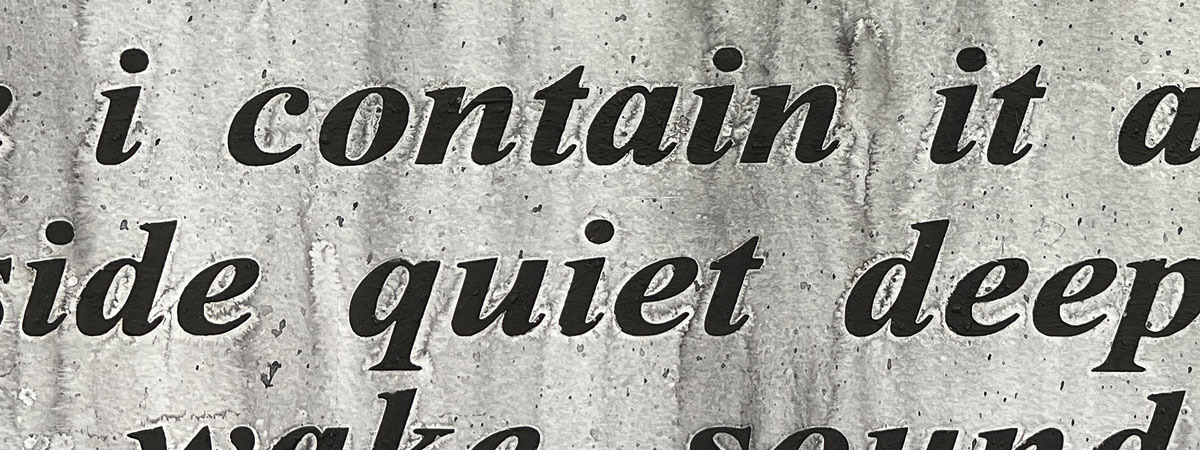
Mia Mulvey’s small sculptures play environmental recordings through paper speakers.
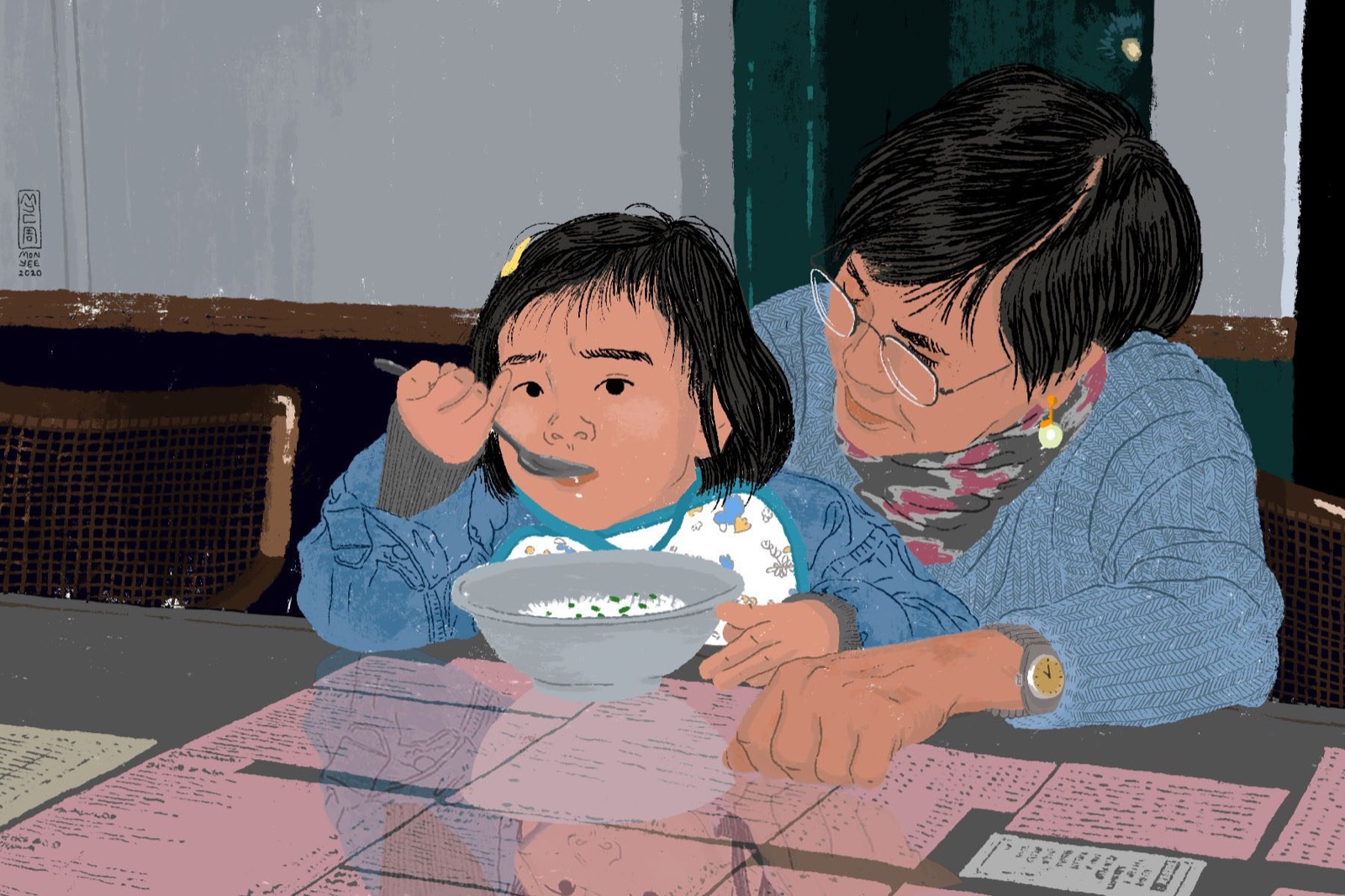
Art and social practice on mothering and care, at King Street Station.
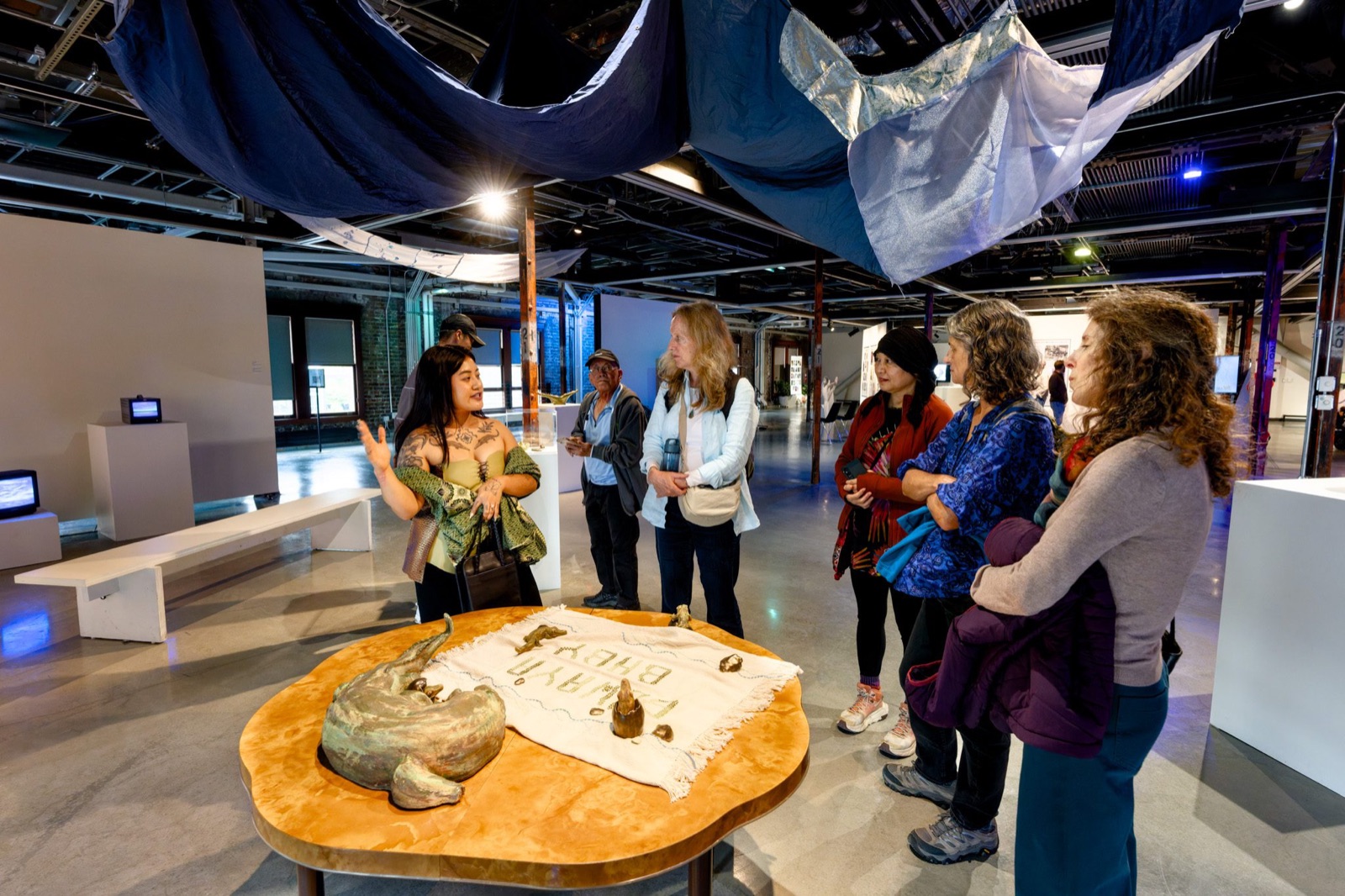
Heidi Grace Acuña’s textiles, video installations and ceramics around a protective crocodile.
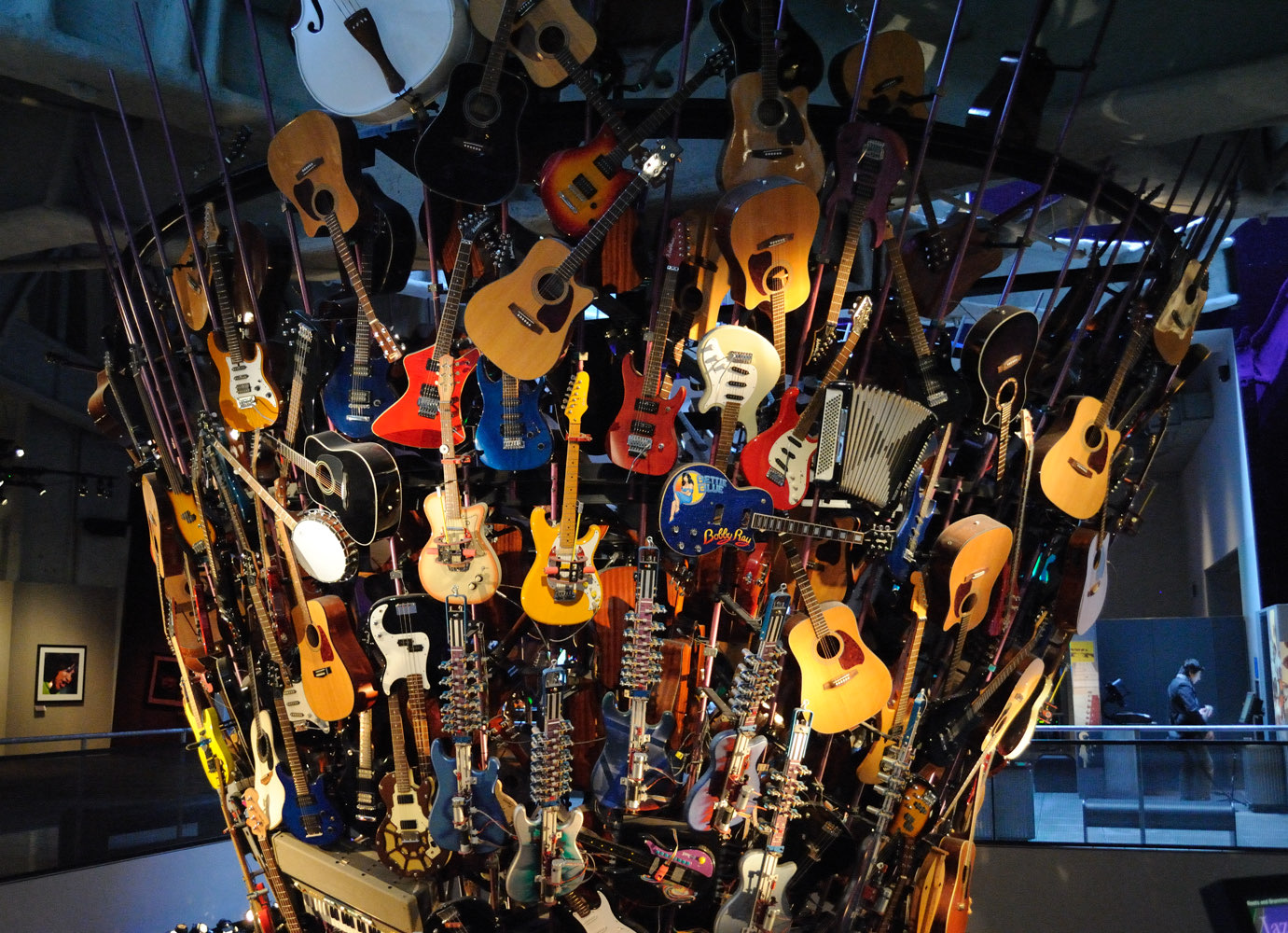
Trimpin’s permanent instrument of robotically played guitars at MoPOP.
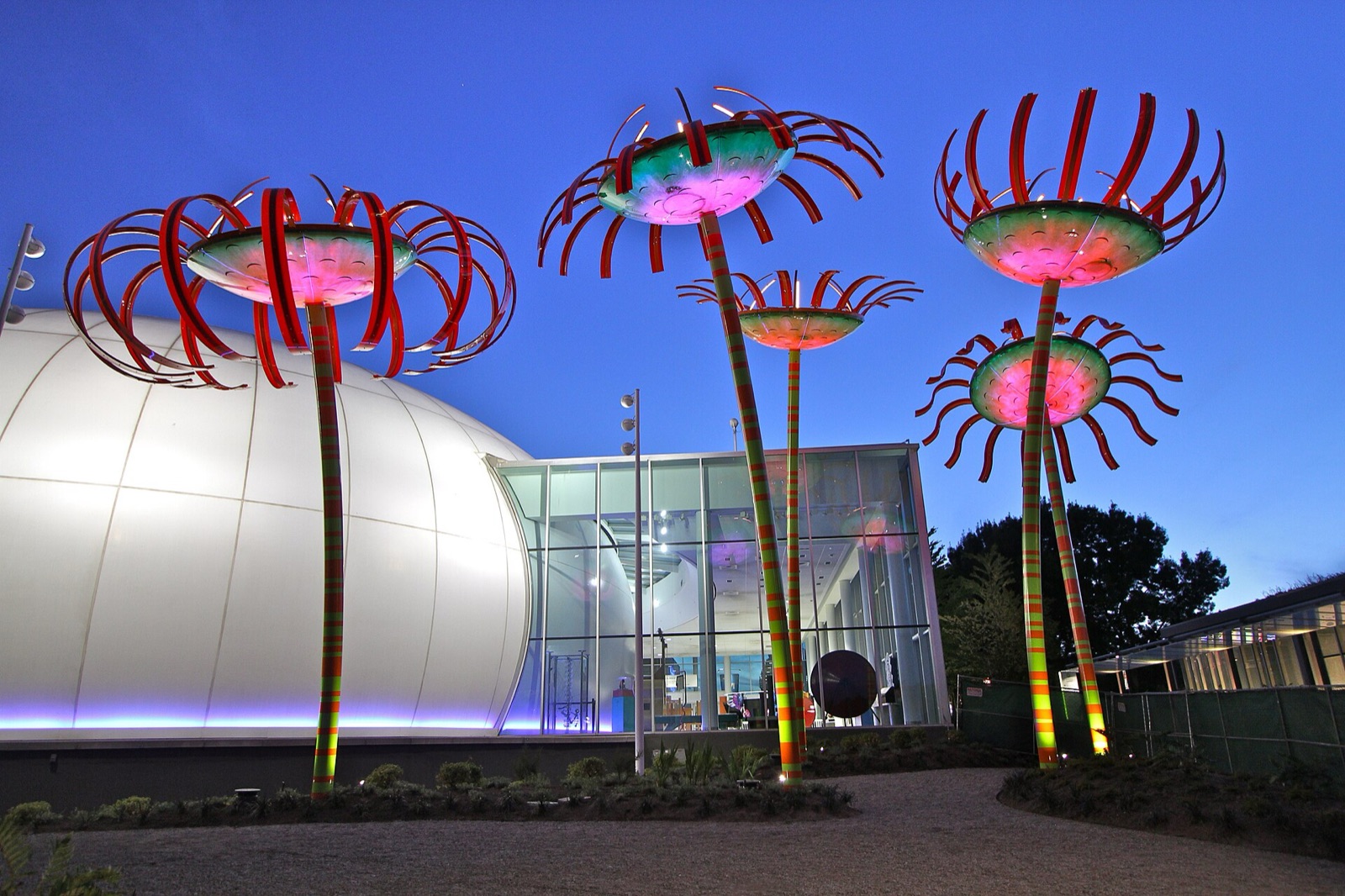
Dan Corson’s five solar-powered flowers, which glow after dark.
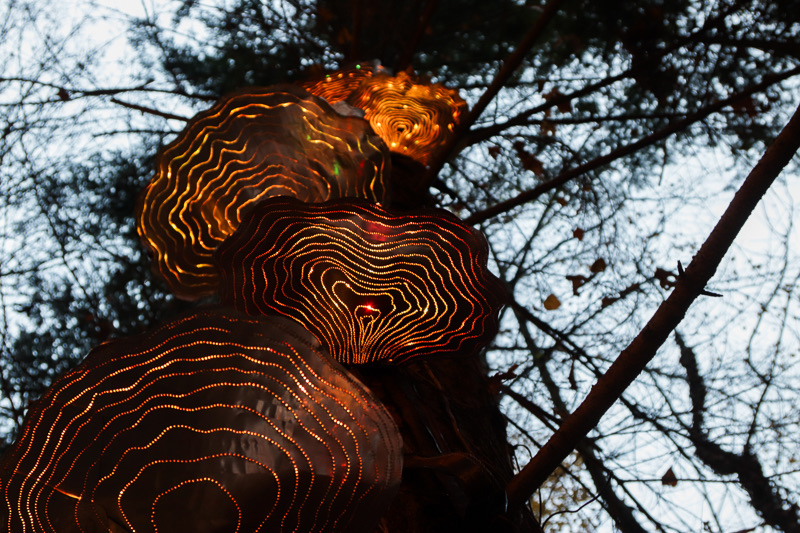
Temporary light installations in Webster’s Woods after dark.
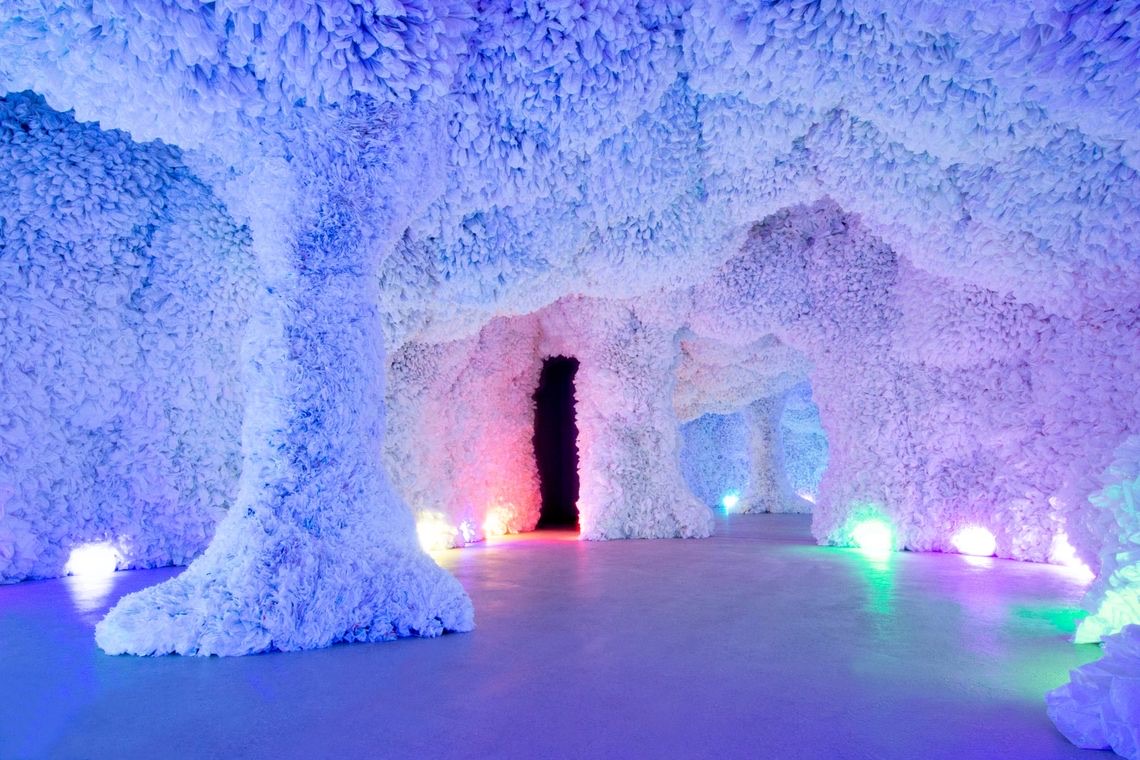
Artist-designed rooms of color, light and sound, including Rainbow Cave.